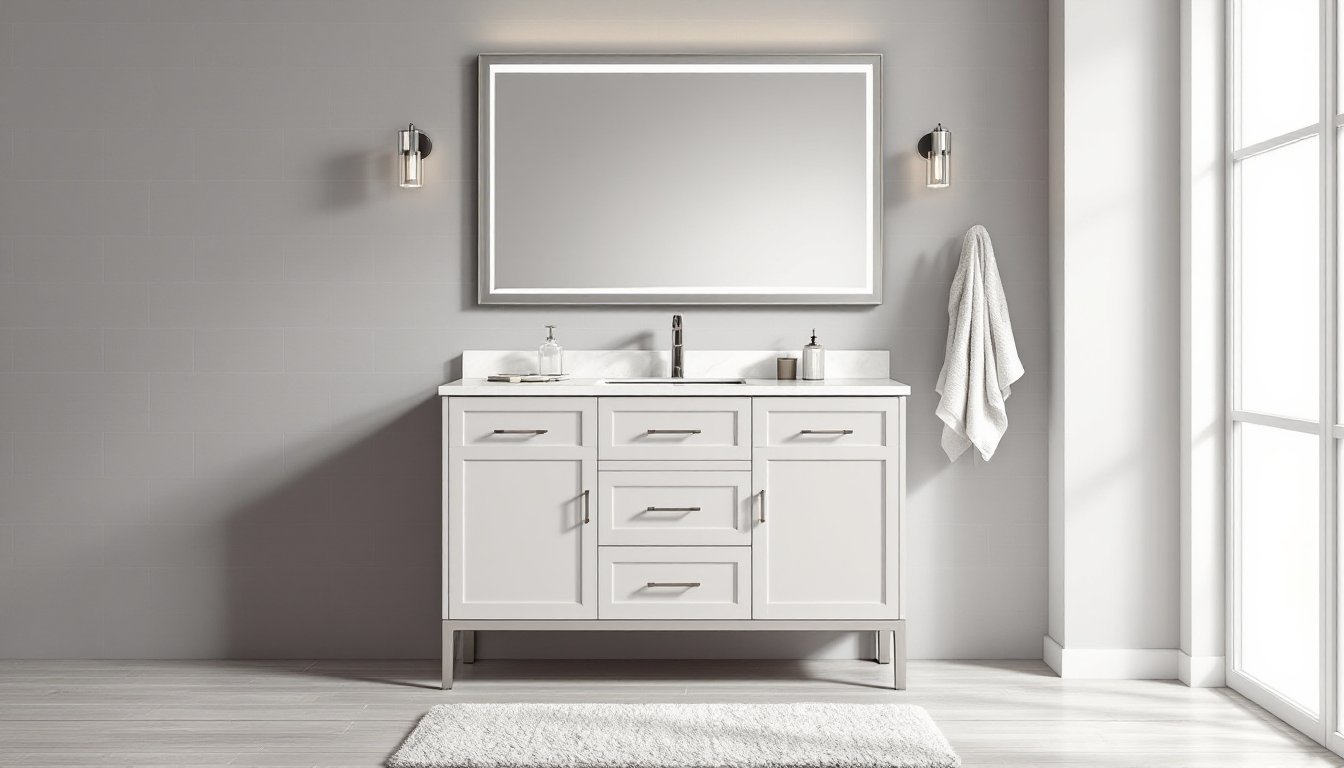
A 36-inch bathroom vanity sits right in the sweet spot for most homes, large enough to offer real storage and counter space, yet compact enough to fit into modest bathrooms without dominating the room. Whether someone’s renovating a master bath, updating a guest room, or squeezing functionality into a tight powder room, a 36-inch vanity delivers practical benefits that smaller units can’t match. This size has become the industry standard for good reason: it balances usability, style options, and value. Understanding what makes this width the right choice, and how to pick, style, and install one, can transform a bathroom from cramped and cluttered into organized and inviting.
Table of Contents
ToggleKey Takeaways
- A 36-inch bathroom vanity is the industry standard because it balances usability, style options, and value while fitting neatly into most residential bathrooms without dominating the space.
- The 36-inch width offers 40 to 60 percent more storage than smaller 24-inch vanities, with room for two to three drawers, shelves, and adequate counter space for daily bathroom essentials.
- A 36-inch vanity works with nearly every design aesthetic—from traditional to modern to farmhouse—with abundant hardware options and finishes like espresso, white, gray, and natural wood tones.
- Budget-friendly 36-inch vanities with cultured marble tops start at $300–$800, while semi-custom or designer options range from $1,200–$3,000, making them cost-efficient compared to larger double vanities.
- Proper installation requires wall measurement at multiple heights, checking floor level, verifying plumbing rough-ins, and securing the vanity to wall studs with shims and silicone caulk to prevent water damage.
Why a 36-Inch Vanity Is the Ideal Bathroom Size
Space Planning and Layout Benefits
A 36-inch vanity, measured wall-to-wall across the cabinet face, fits neatly into standard bathroom layouts without eating up floor space or forcing awkward traffic patterns. Most residential bathrooms are 5 to 8 feet wide: a 36-inch unit claims about one-third of that width, leaving room for shower doors, towel bars, and comfortable standing space. This size works equally well in a single-sink master bath or a shared guest bathroom, making it the most adaptable width on the market.
Placement matters too. A centered 36-inch vanity under a single window or mirror looks balanced and deliberate. Offset to one side, it creates an asymmetrical layout that feels intentional rather than cramped. Code-wise, the National Kitchen and Bath Association (NKBA) recommends at least 21 inches of clearance in front of the vanity for comfortable access, a 36-inch unit doesn’t demand extra headroom to meet that standard in typical bathrooms.
Storage Capacity and Counter Space
Those extra 6 to 12 inches compared to a 24- or 30-inch vanity make a tangible difference in daily life. A 36-inch cabinet typically features two or three drawers, an open shelf, and a full-depth cabinet below the counter, easily 40 to 60 percent more storage than a 24-inch unit. Counter space also expands: a standard 36-inch vanity offers roughly 24 to 28 inches of counter depth, giving enough room for a toothbrush holder, soap dispenser, and a small organizer without clutter.
Double-sink 36-inch vanities (though less common) are possible but rare, most double vanities start at 48 inches. For a single sink with genuine storage, 36 inches is where the magic happens. Drawers stay functional, shelves stay accessible, and the cabinet still fits standard plumbing rough-ins.
Style Options and Design Flexibility
The 36-inch width opens the door to nearly every style imaginable. Manufacturers offer vanities in this size across traditional, modern, farmhouse, coastal, and contemporary aesthetics. Finish options range from rich espresso and charcoal to light oak, white, and gray, colors that coordinate with virtually any tile, flooring, or wall treatment. Top choices include cultured marble (durable, low-maintenance), granite or quartz (high-end, heat-resistant), and solid surface materials (seamless, repairable).
Vanity styling hinges on faucet choice too. A waterfall faucet with a single-hole mount suits modern designs. A traditional two-handle faucet spread across 8 inches plays well with classic or transitional spaces. Chrome, brushed nickel, matte black, and oil-rubbed bronze finishes all pair comfortably with 36-inch cabinet widths. Since this size is standard, hardware selection, drawer pulls, knobs, and hinges, remains abundant and affordable.
Material and construction quality vary significantly. Solid wood cabinets (oak, maple, cherry) resist moisture better than plywood or MDF, though they cost more. Pre-assembled units arrive ready to install, while semi-custom options allow face-frame material selection and counter color coordination. Budget-friendly vanities use veneer over composite wood: these work fine in lower-moisture areas but may swell over time in poorly ventilated bathrooms.
Budget Considerations and Value
A solid 36-inch vanity with a cultured marble top and basic hardware ranges from $300 to $800 at big-box retailers. Semi-custom or designer vanities in real wood or engineered stone tops climb to $1,200–$3,000 or more. Installation labor, plumbing, wall prep, and leveling, typically adds $200 to $500 unless running new supply lines or drain stacks, which can double that cost. Always check locally: costs vary by region and material availability.
Value depends on use case. In a rental property or guest bathroom, a solid-core manufactured vanity makes sense. In a primary bathroom where the family spends decades, investing in solid wood, quality hardware, and a stone or engineered quartz top often pays back in durability and resale appeal. A 36-inch vanity generally costs less than a 48-inch double vanity while offering surprising storage, making it efficient dollar-per-function spending.
Watch for hidden costs: faucet upgrades ($150–$400), delivery fees ($30–$100), and accessories like backsplash trim or custom countertop fabrication. Buying a vanity without faucet sometimes saves money but requires sourcing and often incurs extra plumbing labor. Factor these into budget before purchasing.
Installation Tips and Setup
Preparing for installation starts weeks before delivery. Measure the wall where the vanity will sit, from corner to corner, and at multiple heights, since walls are rarely perfectly square. Check the floor for level using a 4-foot level: a sloped or uneven floor requires shims during installation. Verify rough-in locations: supply lines should be about 4 to 8 inches above the rim, and the drain stub should sit centered behind the sink bowl.
Before the vanity arrives, shut off the water supply and disconnect the existing unit (if replacing). Remove the old cabinet, clean and inspect the wall for rot, mold, or damage, and patch with drywall compound if needed. Sand and prime any bare spots to prevent finish issues later. Inspect the wall for studs using a stud finder: you’ll need to anchor the vanity securely into solid wood, not just drywall.
Installation itself requires basic tools: a level, adjustable wrench, adjustable pliers, silicone caulk, and a caulk gun. Set the vanity in place, check level side-to-side and front-to-back, and shim under the base as needed. Screw the vanity to wall studs through the back frame, typically three to four fasteners spaced evenly. Reconnect supply lines hand-tight, then snug them with pliers: over-tightening splits braided hose. Apply silicone caulk along the seam between the vanity and wall, and around the faucet base to prevent water seepage.
A second pair of hands helps maneuver the cabinet through doorways and position it while you level and secure. If plumbing connections are tight or wall framing is compromised, call a licensed plumber: DIY mistakes here can leak into walls and cause structural damage. Modern vanities usually include basic installation instructions: follow them, especially for specific fastener types and counter attachment methods.
Conclusion
A 36-inch bathroom vanity strikes the balance most homeowners need: enough counter and storage to reduce clutter, a modest footprint that suits typical bathrooms, and style options to match any décor. Whether tackling a full renovation or refreshing an aging bathroom, this size delivers measurable functionality without compromise. Measure carefully, choose materials that suit the bathroom’s moisture level, and don’t rush installation, a properly set vanity will serve reliably for years.