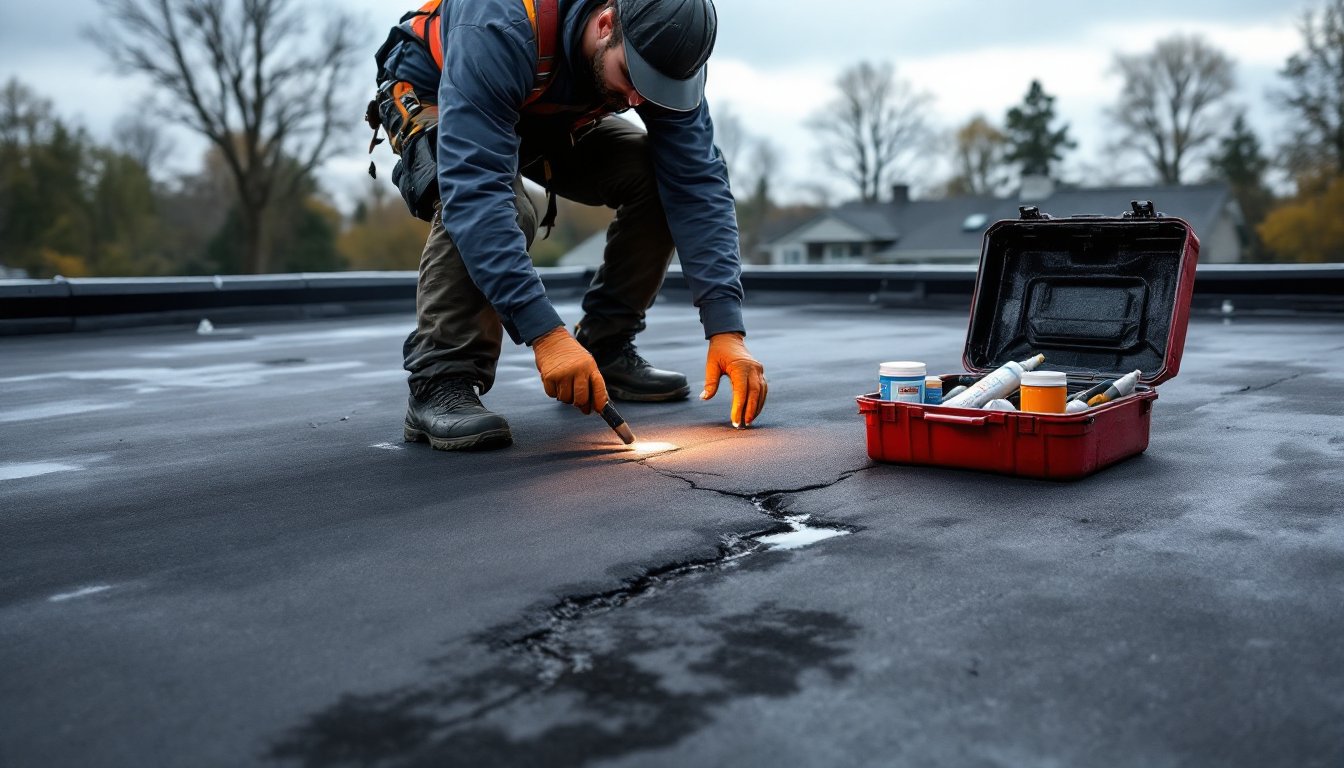
Flat roofs take a beating. Unlike pitched roofs that shed water naturally, flat roofs sit exposed to pooling water, UV damage, thermal stress, and debris accumulation. A small leak can silently rot framing and insulation before anyone notices, turning a quick fix into a five-figure structural repair. This guide cuts through the noise and covers the best flat roof repair methods actually used by professionals, whether homeowners are patching a single problem or planning a systematic fix. Understanding when to reach for a caulk gun versus when to call in a licensed roofer can save thousands in avoidable damage.
Table of Contents
ToggleKey Takeaways
- Flat roofs fail predictably through membrane degradation, ponding water, and flashing failures, with proper diagnosis of the root cause determining the right repair approach.
- DIY flat roof repair works for small, isolated leaks and punctures, but professional help is essential for systemic damage, seam separations, or blistering covering more than 25% of the roof.
- Liquid coatings, roof sealants, and membrane patches provide temporary to mid-term solutions, while thermal welding and full membrane replacement deliver permanent fixes that last 15–25 years.
- Twice-yearly inspections and preventive maintenance—clearing gutters, removing debris, and applying protective coatings every 3–5 years—are the most cost-effective ways to extend flat roof lifespan and avoid expensive repairs.
- Small leaks repaired immediately for $200 prevent structural damage costing $5,000 or more, making timely action on flat roof issues a financially smart investment.
Understanding Common Flat Roof Problems
Flat roofs fail in predictable ways. Membrane degradation tops the list, whether the roof is covered in asphalt, EPDM rubber, TPO, or PVC, years of sun exposure and temperature swings make these materials brittle and prone to cracking. Ponding water sits in low spots, adding weight and forcing it through cracks or seams. Flashing failures around penetrations (vents, chimneys, HVAC units) are another common culprit: flashing seals deteriorate faster than the main membrane because they endure more flexing and debris contact.
Split seams and blistering also plague flat roofs. Seams can separate as materials expand and contract with temperature changes, especially in regions with extreme seasonal swings. Blisters form when moisture or air gets trapped under the membrane during installation, and they weaken the material’s integrity. Poor drainage, debris clogging gutters and scuppers, and foot traffic on unmaintained roofs accelerate wear. Identifying the root cause, not just the symptom, is key to choosing the right repair method.
When to DIY vs. When to Call a Professional
A small isolated leak with visible damage, a puncture, a crack smaller than a few inches, or failed flashing you can pinpoint, is fair game for a handy homeowner. You’ll need basic tools, quality sealants, and honest assessment of your comfort at height. If you’re working on a one-story roof and the damage is confined to a postage-stamp area, DIY repair often works.
Call a professional for anything larger or systemic. If you’re seeing multiple leaks, blistering across significant areas, membrane deterioration over 25% of the roof surface, or seam separations that run for several feet, the roof is telling you it’s dying. A professional can evaluate whether patching buys time or if full membrane replacement is unavoidable. They also navigate permits (required in most jurisdictions for roofing work over a certain scope), local building codes, and warranties that protect your investment. Working at height on a wet roof carries serious fall risk: insurance often won’t cover DIY roofing injuries, making professional labor the safer financial bet.
Top Flat Roof Repair Techniques That Work
Patching and Sealant Solutions
For isolated damage, liquid roof coatings and roof patching compounds buy time and seal leaks without removing membrane. Liquid applied coatings (think thick paint) adhere directly to the existing surface, fill small cracks, and create a waterproof layer. Products like acrylic or polyurethane coatings are DIY-friendly: clean the area, prime if needed, and brush or roll on per manufacturer instructions. Coverage typically runs 50–100 square feet per gallon depending on texture and porosity. These work best on relatively flat, uncompromised roofs, they’re not a fix for structural sag or widespread blistering.
Roof cement and sealants (asphalt or polyurethane-based) work well for flashing repairs and small punctures. Clean and dry the area thoroughly: any moisture under the sealant will cause it to fail. Apply in beads, then smooth with a wet putty knife. Polyurethane sealants outperform asphalt cement in UV and temperature resistance, making them worth the extra cost and cleanup hassle. For membrane seams that have begun to separate, roof tape (designed specifically for EPDM, TPO, or PVC depending on your membrane type) can temporarily seal gaps. The tape works only if surfaces are clean and dry, dust and algae are the enemy. This is genuinely a temporary fix: proper seam re-sealing or welding should follow within a season or two.
Membrane Repair and Replacement
When damage goes deeper, patching the membrane itself extends life. For EPDM rubber roofs, a professional patches involve cutting away the damaged section, removing old adhesive (grind or scrape it clean), installing a new rubber patch with contact cement or specialized adhesive, and sealing all edges. The patch needs to extend at least 6 inches beyond the damage in all directions. This requires skill, poor adhesion means the patch peels off in months.
PVC and TPO roofing use heat-welded seams: a temporary flex patch can cover small punctures, but thermal welding provides a permanent repair. This requires specialized equipment and training, definitely professional territory. Full membrane replacement is the end-of-life solution. A professional strips the old membrane, inspects and repairs the deck underneath, installs new underlayment if needed, and applies a fresh membrane layer (single-ply or built-up, depending on budget and roof design). A new membrane lasts 15–25 years depending on material grade and environment. It’s expensive, $5–12 per square foot for labor and materials, varying by region, but a failed roof floods your building, justifying the cost.
Maintaining Your Flat Roof Long-Term
The cheapest repair is the one you prevent. Twice-yearly inspections, spring and fall, catch problems before they become crises. Walk the roof (or use binoculars if fall risk concerns you), checking for pooled water, cracks, blistering, debris, and flashing integrity. Clogged gutters and scuppers are the silent killers of flat roofs: leaves, dirt, and algae dam drainage, forcing water to sit and find cracks.
Keep the roof clean. Debris traps moisture, accelerates membrane degradation, and weights down the structure. Clear gutters, remove standing water after heavy rain, and pressure-wash in fall if algae is present (but use low pressure, never blast the membrane). Trim trees overhead to reduce leaf drop and shade that promotes algae growth. Apply a protective coating every 3–5 years (acrylic or polyurethane): this extends membrane life significantly and is far cheaper than replacement. Fix small leaks immediately: a $200 repair today prevents a $5,000 ceiling and framing problem next year. Document all work with photos and receipts for warranty and insurance purposes.
Conclusion
Flat roof repair hinges on honest diagnosis and timely action. Patch small, isolated damage yourself using quality sealants and the right technique for your membrane type. Bring in a professional for systemic problems, seam welding, or full replacement, expertise and warranties pay for themselves. Above all, inspect regularly and maintain drainage: prevention beats repair every time. Your roof protects everything below it: treat that job with the respect it deserves.