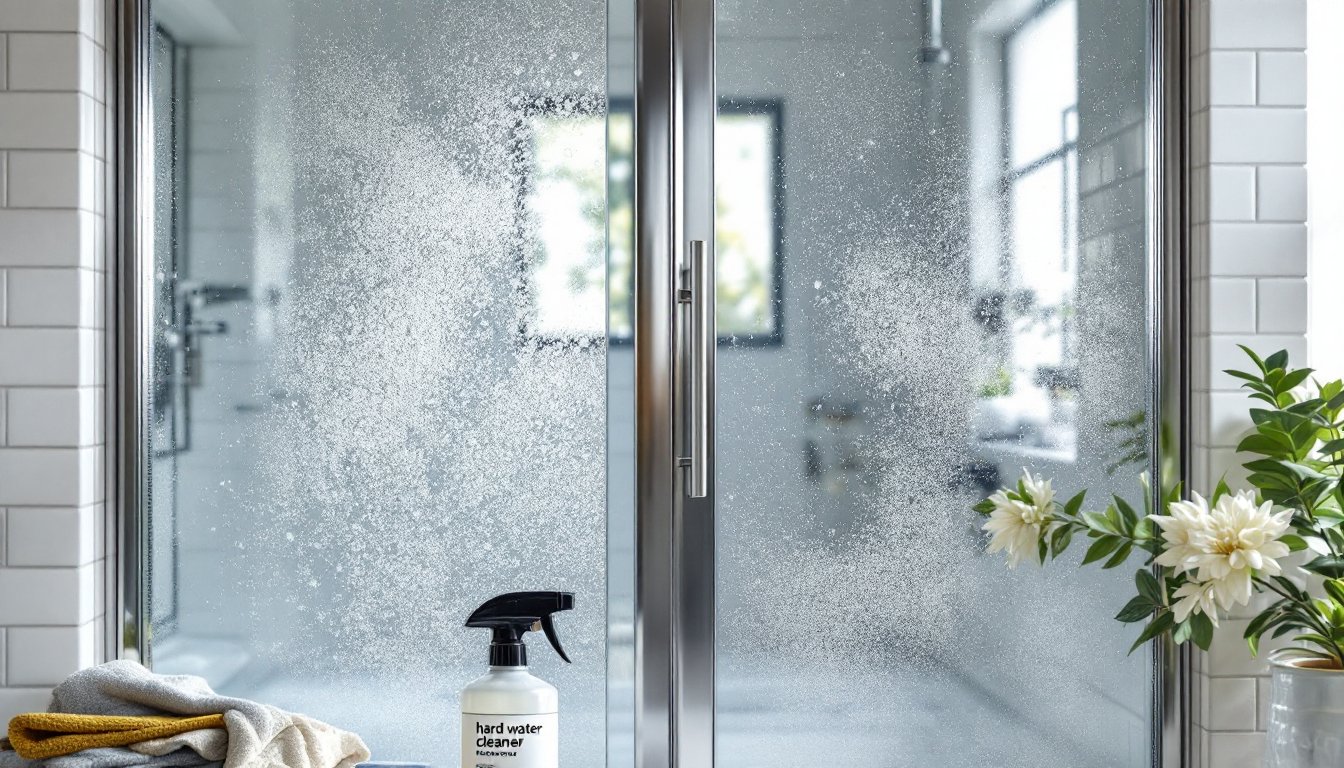
Hard water leaves those stubborn white, chalky, or cloudy deposits on shower doors, walls, and fixtures that seem impossible to scrub away. These mineral buildups, calcium and magnesium primarily, accumulate faster in homes with hard water, turning a once-clear glass door into an eyesore within weeks. Fortunately, the right shower cleaner for hard water can dissolve these deposits quickly without excessive scrubbing or damage to surfaces. This guide walks through the best hard water shower cleaners available, explains what makes them work, and shares proven prevention strategies so homeowners can keep their bathrooms clearer, longer.
Table of Contents
ToggleKey Takeaways
- The best shower cleaner for hard water contains acidic compounds like citric acid or acetic acid that chemically dissolve calcium and magnesium deposits without excessive scrubbing.
- Commercial products like CLR and Bar Keeper’s Friend tackle heavy mineral buildup in 30 seconds to two minutes, while natural alternatives like vinegar and baking soda offer safer, budget-friendly options for maintenance.
- Squeegee your shower door after every use to remove 80% of residual water and dramatically slow mineral accumulation before deposits form.
- A weekly prevention routine with a 50/50 vinegar-and-water solution eliminates the need for harsh monthly cleanings and keeps deposits from hardening.
- Water softener systems permanently prevent hard water stains by removing minerals before they enter your plumbing, extending fixture life and reducing bathroom cleaning time.
Understanding Hard Water Stains And Buildup
Hard water contains dissolved minerals, primarily calcium and magnesium, that don’t rinse away completely after water dries. Over time, these minerals bond to glass, tile, metal fixtures, and grout, forming deposits that get progressively harder to remove the longer they sit. The buildup isn’t just cosmetic: thick mineral scale can eventually restrict water flow from showerheads and damage fixtures.
The severity depends on water hardness, measured in parts per million (PPM) or grains per gallon (GPG). Water above 60 PPM is considered hard, and anything above 120 PPM will leave noticeable stains within days of cleaning. Hard water shower cleaner products are specifically formulated to break down these mineral bonds, making removal much faster than generic bathroom sprays.
Key Ingredients To Look For In Hard Water Cleaners
Acidic Compounds And How They Work
The most effective hard water shower cleaner relies on mild acids to dissolve mineral deposits. Acetic acid (found in vinegar-based cleaners), citric acid, and phosphoric acid each work by chemically breaking down the calcium and magnesium bonds that cling to surfaces. This is why commercial hard water cleaners often list these ingredients on the label, they’re doing the heavy lifting.
When shopping for a hard water cleaner for shower use, check that the product contains one of these acids at a reasonable concentration. Vinegar-based cleaners typically contain 4–8% acetic acid, while specialized products may use citric acid or phosphoric acid at higher percentages for faster results. Surfactants (wetting agents) are also important: they help the acid penetrate the mineral layer and improve rinsing, so the cleaner doesn’t leave its own residue behind. Many modern formulas also include anti-corrosive agents to protect metal fixtures and prevent etching on sensitive surfaces like natural stone.
Top Shower Cleaning Solutions For Mineral Deposits
CLR Bath & Kitchen Cleaner is a household staple for hard water removal. It contains a blend of citric, lactic, and hydrochloric acids, strong enough to tackle heavy buildup in 30 seconds to two minutes. Always use in a well-ventilated space and avoid contact with skin or eyes: wear rubber gloves and eye protection. CLR works exceptionally fast on glass shower doors and tile but requires careful handling and thorough rinsing.
Scrubbing Bubbles Bathroom Cleaner offers a gentler, spray-and-wipe option for light to moderate mineral buildup. It’s less aggressive than CLR but easier to use and safer for frequent application. Homeowners with frequent minor staining often prefer this for weekly maintenance rather than heavy-duty monthly cleanings.
The Tilex Soap Scum Remover combines surfactants with acidic compounds to address both soap scum and mineral deposits simultaneously, common issues in hard water bathrooms. Spray it on, let it sit for 30 seconds, and wipe: it’s gentler on hands than some alternatives while still effective on shower glass and tiled surfaces.
Bar Keeper’s Friend is a powder cleanser containing oxalic acid, designed for tough mineral stains on metal fixtures, tubs, and ceramic tile. Mix it into a paste, apply, scrub lightly, and rinse thoroughly. It’s abrasive-free but requires a bit of elbow grease, making it ideal for spot treatment rather than large surface areas.
Natural And DIY Hard Water Cleaning Methods
White vinegar is the most accessible DIY hard water cleaner. Fill a spray bottle with undiluted 5% white vinegar and apply to affected surfaces. Let it sit for 15–30 minutes (longer for thick buildup), then scrub gently with a non-abrasive sponge and rinse thoroughly. For severe mineral deposits, spray again and let sit overnight, then scrub. Vinegar works best on glass and ceramic tile but may etch natural stone, so test on an inconspicuous area first.
Baking soda combined with vinegar creates a fizzing paste that works well for grout and textured surfaces. Mix three parts baking soda with one part vinegar until you reach a thick paste consistency, apply to problem areas, let sit for 10–15 minutes, then scrub and rinse. This method is safer to handle than concentrated commercial cleaners and works without harsh fumes.
Lemon juice contains citric acid similar to many commercial cleaners. Squeeze fresh lemon onto deposits, let it sit, and wipe, though commercial citric acid products are typically more concentrated and faster-acting. For a prevention spray, combine lemon juice, water, and a few drops of dish soap in a spray bottle for weekly maintenance on lighter stains.
Prevention Tips To Minimize Future Buildup
The easiest hard water stain is the one that never forms. After each shower, squeegee excess water from glass doors and walls, a simple rubber blade tool removes 80% of residual water in seconds, dramatically slowing mineral accumulation. Dry the shower door with a microfiber cloth afterward if you’re willing to invest the extra minute: this prevents mineral deposits from setting in the first place.
Weekly prevention maintenance makes monthly deep cleaning unnecessary. Spray your shower door and walls with a 50/50 vinegar-and-water solution twice weekly, wipe with a cloth, and rinse. This keeps mineral buildup from hardening and takes only a few minutes.
For those serious about eliminating the problem entirely, a water softener system removes minerals before they enter your home’s pipes, preventing deposits in bathrooms and extending appliance life. Point-of-use shower filters are less effective but cheaper than whole-home systems and may provide some relief. If you’re renting or can’t install a softener, frequent squeegying and vinegar maintenance remain your best options.
Conclusion
Hard water stains don’t require harsh chemicals or exhausting scrubbing when you use the right approach. Whether you choose a commercial hard water shower cleaner like CLR or Bar Keeper’s Friend, or stick with affordable vinegar and baking soda, consistent cleaning and smart prevention will keep your shower clear. Squeegee after each use, do light maintenance weekly, and tackle heavy buildup monthly, that routine beats one annual battle with mineral deposits. Your bathroom will look better, and your fixtures will last longer.