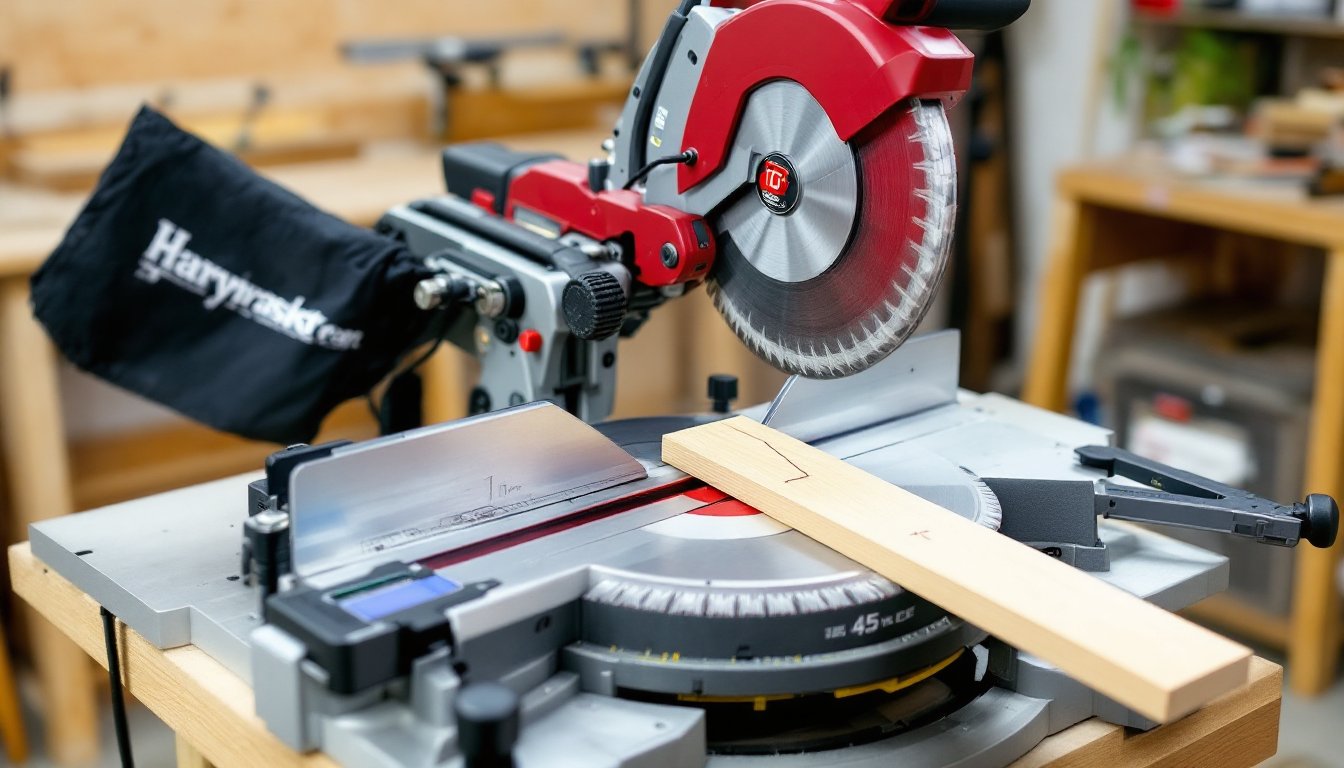
A clean, angled cut can make or break a trim job. Whether someone’s framing a doorway or building cabinet faces, the right saw does the heavy lifting. Enter the miter box saw, a tool that sits at the intersection of precision and accessibility. Unlike a hand miter box (a simple guide jig for a handsaw), modern miter box saws range from basic manual models to powerful compound units that tackle crown molding, baseboards, and hardwood flooring at any angle. This guide covers what they are, how to pick one, and how to use it safely so cuts come out tight and repeatable every time.
Table of Contents
ToggleKey Takeaways
- A miter box saw delivers precision and repeatability by locking the fence and angle, ensuring every cut matches the previous one and eliminating inconsistency found in hand tools.
- Blade size (10-inch is the industry standard), carbide-tipped construction, and fence stability are critical features that directly impact cut quality and material compatibility.
- Beginners should start with a basic 10-inch corded single-bevel miter saw ($150–$300), while compound sliding models ($400–$800) are worth the investment for crown molding and frequent angled cuts.
- Always use the fence, wear safety gear (eye protection, dust mask, and ear protection), and never reach near the blade during operation—these practices prevent injuries and ensure safe miter box saw use.
- Regular maintenance—cleaning the table and fence after each session, replacing dull blades promptly, and checking for warping—keeps your miter saw accurate and extends its lifespan.
- Test-fit compound cuts on scrap material before cutting expensive molding, and use stop blocks clamped to the fence to guarantee identical lengths on repetitive cuts.
What Is a Miter Box Saw and How Does It Work?
A miter box saw is a stationary power tool that combines a circular or compound blade with a table and guide system to cut precise angles. The workpiece stays flat on the table or fence while the blade lowers to meet it, opposite to how a handheld circular saw works. The table itself usually rotates left and right (commonly 0 to 52 degrees each direction) to set miter angles, while the blade head can tilt for compound cuts (bevel + miter simultaneously).
The core strength of a miter box saw lies in repeatability. Once the fence and angle are locked, every cut matches the previous one, eliminating the human wobble that hand tools introduce. This matters enormously when cutting multiple pieces of crown molding, door casings, or deck boards, inconsistency stacks up fast.
Dayalight, electric motors drive most modern miter saws (single-stage or direct-drive). The blade spins at around 3,500 to 4,500 RPM, and the user pulls the handle down to lower the spinning blade through the material. Depth stops and blade brakes are standard safety features on quality models.
Key Features That Define Performance
Not all miter box saws are created equal. Blade size (typically 8.5 to 12 inches) dictates the maximum depth of cut. A 10-inch blade is the industry sweet spot for most trim and finish carpentry, handling material up to roughly 6 inches tall when crosscut square. Larger blades cost more but rip through thicker stock faster.
Blade quality matters too. Carbide-tipped blades (80 to 100 teeth) produce cleaner crosscuts in hardwood and plywood compared to cheaper steel blades, which dull quickly and leave chipping. Dust collection systems vary, some models include a small shroud and bag, while others work better with a shop vac hose.
Fence length and table width affect how stable long workpieces feel. A longer fence and wider table reduce vibration and kickback risk. Some saws have laser guides or LED work lights, which improve accuracy without being essential.
Slide systems (also called compound or double-bevel models) allow the blade head to slide forward and backward on rails, increasing the crosscut capacity beyond the blade diameter. This is helpful for wider boards but adds cost and complexity.
Manual vs. Power Miter Box Saws
Manual miter box saws (or traditional miter boxes) are simple C-shaped frames with guide slots, designed to hold a handsaw at fixed angles, typically 45 and 90 degrees. They’re lightweight, quiet, and require no electricity. The tradeoff: they demand steady hands and patience. A 45-degree miter on a 2×4 takes real physical effort and multiple strokes.
Power miter box saws dominate the DIY and professional landscape. They cut 10 times faster and deliver uniform results. Cordless models (running on rechargeable batteries) are gaining traction for job-site convenience, though corded saws still offer more sustained power for heavy-duty work. Compound miter box saws add a sliding mechanism and dual-bevel capability, enabling crown molding cuts (which often require simultaneous miter and bevel adjustments) in a single pass rather than flipping the stock repeatedly.
Choosing the Right Miter Box Saw for Your Projects
Budget and intended use guide the choice. A homeowner tackling annual trim projects might spend $150–$300 on a basic single-bevel 10-inch corded miter saw from a mainstream brand. Those cutting crown molding regularly, especially at compound angles, should budget $400–$800 for a compound sliding miter saw with dual-bevel capability.
Consider workspace. Miter saws need a stable bench or stand and clear space in front and behind for feeding material and dust extraction. A compact model (8.5-inch blade, no slide function) occupies less real estate than a 12-inch compound version but limits capacity.
Power source matters too. Corded saws draw 15 amps and require a dedicated circuit. Cordless models offer mobility but eat through battery packs on long jobs. If someone cuts year-round or handles dense hardwoods regularly, corded delivers more consistent performance.
Dual-bevel vs. single-bevel is worth weighing. Single-bevel saws tilt in one direction only, requiring the workpiece to be flipped for opposite angles. Dual-bevel models tilt both ways, cutting both angles of a miter joint in place, a huge time-saver on crown work but adding $200+ to the price. For baseboards and 45-degree trim, single-bevel is adequate.
Essential Techniques for Accurate Cuts
Setup is everything. Before cutting, confirm the blade is at 90 degrees to the table (a combination square or digital angle gauge confirms this). Tighten all angle locks, loose settings introduce creep mid-cut. Mark the workpiece clearly with a pencil, aligning the mark to the blade’s kerf (the saw cut line).
Always use the fence. Resting the workpiece against the rear fence and holding it flat on the table prevents it from lifting or shifting as the blade descends. For repetitive cuts (say, 16 pieces of trim all 42 inches), clamp a stop block to the fence. This eliminates measuring each piece individually and guarantees identical lengths.
Safety isn’t negotiable. Wear eye protection (dust and chips fly at high speed), a dust mask or respirator (especially on hardwoods), and ear protection (miter saws are loud). Never reach under the blade or hold hands near it while powered on. Wait for the blade to fully stop before moving the workpiece. Keep fingers and thumbs clear of the cut zone, a miter saw blade doesn’t care if they’re in the way.
For compound cuts (like crown molding), some cuts require the blade tilted and the table rotated simultaneously. Test-fit before committing: mistakes on pricey molding add up. Many carpenters tape the settings to the saw body for repeatability.
Dust management prevents both a mess and respiratory trouble. Connect a shop vac hose to the saw’s dust port if available. If not, a small collection bag catches the bulk of chips, and wearing a mask captures finer dust.
Maintenance and Safety Best Practices
A well-maintained miter box saw lasts years and cuts true throughout. Clean the table and fence after each session, sawdust buildup prevents smooth movement and throws off angle settings. Use a soft brush or compressed air, not water (rust accelerates decay).
Blades dull with use. A dull blade forces the motor harder, creates chipping, and increases kick-back risk. Replace when cuts look rough or feel like they’re struggling to cut. A fresh 80-tooth carbide blade for fine crosscuts in hardwood or plywood costs $15–$40, far less than the time or material wasted on poor cuts.
Check the fence and table for warping quarterly. A warped fence throws off miter angles: a twisted table causes binding. Most bolts and adjustment screws tighten with an Allen wrench (usually included).
Before each use, inspect the blade for cracks or missing teeth. A damaged blade is a safety hazard. Ensure the fence is square to the table (a carpenter’s square or combination square works). Verify angle locks engage firmly, a loose lock can slip during the cut.
Store the saw in a dry location. Humidity and temperature swings promote rust. A light coat of paste wax on the table (after cleaning) creates a slick, protected surface. Keep the manual handy and review the manufacturer’s safety guidelines annually, they’re written in blood, not just ink.
Conclusion
The miter box saw is one of the few tools where spending a bit more upfront pays dividends. Clean, repeatable cuts save time and material, and a durable saw will outlast multiple projects. Start with the basics, a solid 10-inch corded single-bevel model from a reputable brand, then expand to compound sliding versions as ambition grows. Respect the blade, measure twice, and enjoy trim work that actually fits.