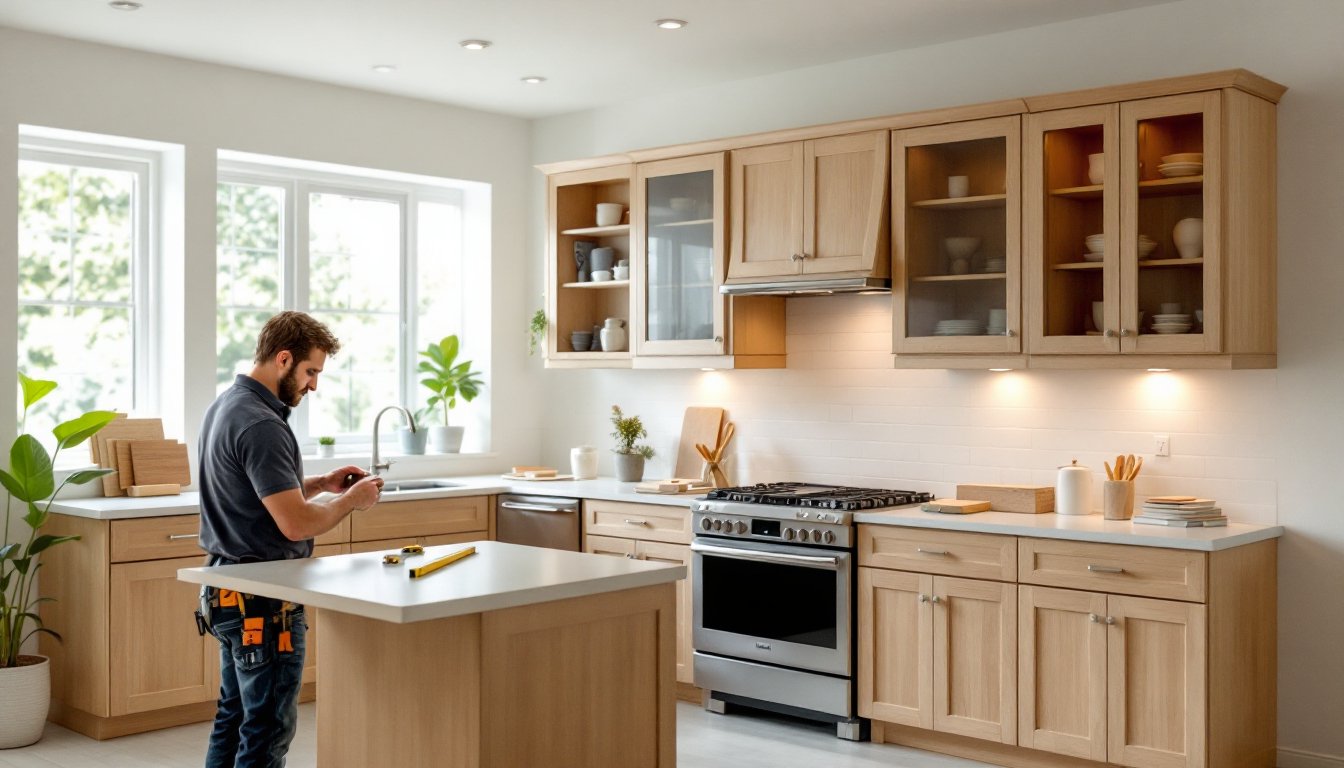
Kitchen renovation decisions come down to one question: how much time and effort can you really invest? For many homeowners, assembled kitchen cabinets have become the practical answer. Unlike unassembled or custom-built options, pre-assembled cabinets arrive ready to install, or nearly so. They blend affordability with reliability in ways that flat-pack kits simply can’t match. Whether someone’s tackling a full kitchen overhaul or just refreshing cabinetry, understanding what assembled cabinets offer helps make smarter choices about timeline, budget, and final results.
Table of Contents
ToggleKey Takeaways
- Assembled kitchen cabinets arrive factory-built and ready to install, saving 40–80 hours of assembly time compared to flat-pack RTA options.
- Factory construction delivers superior quality and durability with pneumatic fasteners, proper clamping, and quality control that hand-assembly rarely matches.
- Assembled kitchen cabinets cost $100–$400 per linear foot installed, positioning them as an affordable middle ground between budget flat-pack and premium custom cabinetry.
- Proper measurement, material selection (solid wood, plywood veneer, or MDF), and sample review are essential before ordering to avoid costly mistakes.
- Installation success depends on meticulous wall preparation, level mounting, and careful door/hinge adjustment, with ongoing maintenance limited to monthly cleaning and yearly hardware checks.
What Are Assembled Kitchen Cabinets?
Assembled kitchen cabinets are factory-built units that arrive at the job site fully or partially constructed. Unlike RTA (ready-to-assemble) cabinets, which come flat-packed with loose components and fasteners, assembled units have their face frames, sides, back panels, and doors already joined. They might require minor on-site tweaks, adjusting hinges, installing handles, or cutting to fit an odd wall, but the heavy lifting is done.
These cabinets typically come from semi-custom or stock cabinet lines, meaning they’re built to standard dimensions but offer more design flexibility than off-the-shelf RTA options and cost less than full custom work. Most arrive with interior shelving installed, drawer slides pre-mounted, and doors hanging ready to adjust. Some still require backing installation or final hinge tuning, but assembly work is minimal compared to unpacking 50 pieces and figuring out which bolt goes where.
They’re available in various materials: solid wood, plywood boxes with veneered faces, or MDF with laminate or veneer. Quality varies by manufacturer, but assembled cabinets from reputable makers typically have better joinery than budget RTA alternatives. Homeowners get a middle ground, faster than custom, more reliable than flat-pack.
Key Advantages Over Unassembled Options
Time and Labor Savings
The time difference is real. Assembling flat-pack cabinets from scratch can take 4–8 hours per cabinet if working solo, depending on complexity and skill level. A typical 10-cabinet kitchen layout could mean 40–80 hours of frustrating bolt-turning and alignment fiddling. Assembled cabinets cut that drastically. Installation, leveling, securing to walls and studs, fitting around corners, still takes time, but it’s faster work that doesn’t require decoding ambiguous instruction sheets or hunting down a missing cam lock at 9 p.m.
For homeowners juggling work, family, and renovation timelines, that’s meaningful. Pros installing assembled cabinets can often finish a kitchen in 2–3 days instead of a week. Even DIYers benefit: less assembly means more time handling the parts of the job that actually require attention to detail, like scribing filler strips to uneven walls.
Quality and Durability
Assembled cabinets usually have better construction integrity than RTA kits. Factory assembly uses pneumatic fasteners, proper clamping, and quality control checks that hand-assembly rarely matches. Joints are tighter, drawer slides are properly mounted, and hinges are installed at the correct depth and angle.
Durability matters in a kitchen, cabinets get opened hundreds of times a year, bear weight, and handle humidity. Solid wood or quality plywood construction with reinforced joinery lasts longer than thin veneers on particle board. Assembled cabinets from established manufacturers often come with warranties covering hardware failure or wood defects, something rare with budget RTA options. They’re also less prone to wobble or hinge misalignment after a season of use.
Cost Considerations and Budgeting
Assembled cabinets occupy a price tier above flat-pack but below full custom. Expect to pay $100–$400 per linear foot installed, depending on material quality and finish. A 12-foot run of mid-range cabinets might cost $1,200–$4,800 before installation labor. RTA alternatives run $50–$150 per foot, while true custom work starts around $500 per foot and climbs quickly.
The cost difference reflects better materials, factory assembly, and design flexibility. Many homeowners find assembled cabinets worth the premium because they avoid the hidden costs of RTA assembly: wasted time, mistakes requiring replacement parts, and the possibility of poor performance over time.
When budgeting, account for installation labor if hiring a pro. Cabinet installation isn’t cheap, expect $40–$100 per hour depending on local rates and complexity. Wall prep, appliance cutouts, and plumbing rerouting add time and cost. Get quotes from installers before finalizing cabinet purchases: some offer package deals if buying and installing together.
Material grade also affects pricing. Solid hardwood costs more than plywood veneer, which costs more than MDF. A kitchen with all-plywood construction and quality hardware will outlast a budget MDF setup by years, making the initial investment more sensible over a 10–20 year horizon.
How to Choose the Right Assembled Cabinets for Your Kitchen
Start by measuring. Bring a tape measure, level, and notepad into your kitchen. Note wall lengths, ceiling height, window and door openings, and appliance locations. Check for plumb and level, most old kitchens aren’t, which matters for cabinet fit. Measure twice: order once.
Decide on layout next. Are base cabinets staying where they are, or moving? Do you need corner solutions (lazy Susans, pull-outs)? Will the sink or cooktop shift? Sketch a rough floor plan. Cabinet manufacturers provide planning guides: many offer free design consultations. This step prevents expensive mistakes.
Choose your material carefully. Solid wood (maple, oak, cherry) is premium but pricier and requires finishing or staining. Plywood with veneer offers stability and appearance without the cost. MDF with laminate is budget-friendly but less durable, fine for low-traffic areas or short-term solutions. Consider the kitchen’s humidity and climate: high-moisture areas need materials that resist warping and mold.
Sample door styles, stain colors, and hardware finishes in person if possible. Photos online don’t always match real lighting. Most manufacturers provide samples or showroom visits. Living with a choice for a week helps catch regrets before ordering.
Finally, confirm delivery and installation timelines. Lead times vary, stock cabinets might ship in 2–3 weeks, semi-custom in 4–8 weeks. Factor this into your renovation schedule. Confirm warranty terms and what’s included in installation labor.
Installation and Maintenance Tips
Preparation is everything. Before cabinets arrive, remove old cabinets, clean walls thoroughly, and locate studs. Mark stud locations with a pencil line, you’ll need them for secure mounting. Check walls for level and plumb: shim as needed. Assembled cabinets sit on uneven floors better than RTA units, but significant gaps still cause alignment headaches.
When installing, start with base cabinets, securing them to wall studs with 2.5-inch lag bolts or cabinet screws. Use a level constantly: cabinets must be dead level front-to-back and side-to-side. Shim under feet as needed. Once secured, install wall cabinets above, following the same leveling protocol. Pre-drill screw holes to avoid splitting finished faces, this matters more with solid wood than MDF.
For doors and drawers, adjust hinges and slides after cabinets are mounted. Doors should align with an even gap between them (typically 1/8 inch). Most assembled cabinets use European-style concealed hinges that allow micro-adjustments. Take time here: small tweaks now save frustration later.
Maintenance is simple but matters. Wipe interiors and exteriors monthly with a soft, damp cloth. Use wood-specific cleaners for solid wood finishes: avoid excess water, which causes swelling. For stained or painted finishes, a damp microfiber cloth and mild soap work fine. Check hinge and slide fasteners yearly: tighten any loose hardware. Adjust door and drawer alignment seasonally if humidity swings are significant in your region.
For longevity, avoid prolonged moisture exposure. Ensure proper ventilation around the stove and dishwasher. If the sink backs directly onto cabinets, seal edges with silicone caulk to block water damage. Small preventive steps extend cabinet life by years.