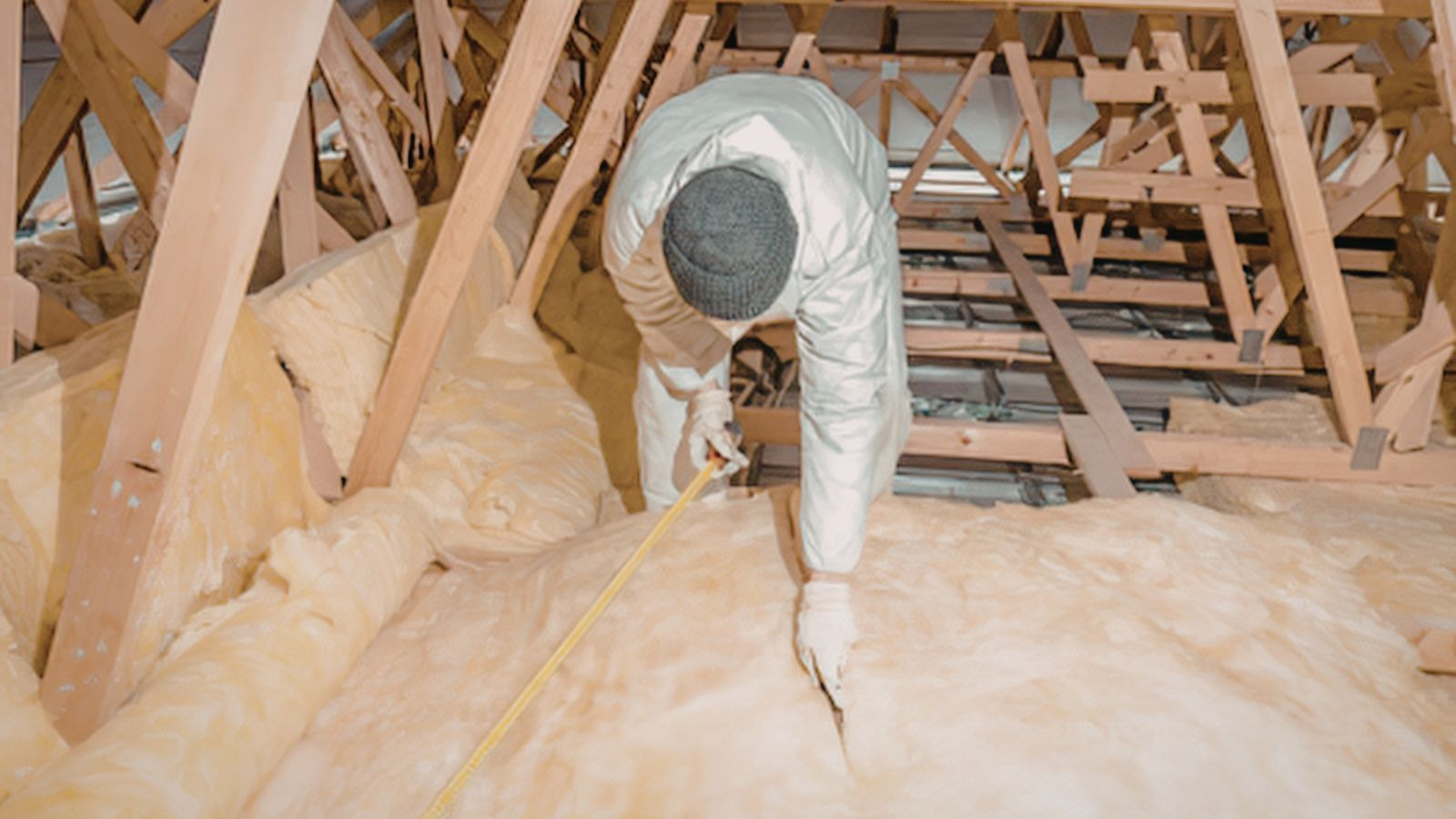
A bad insulation job rarely looks bad on day one. That is exactly why so many homeowners realize the mistake too late.
The attic appears cleaner. Fresh insulation covers the floor. The contractor leaves. For a few weeks, everything seems fine — until electric bills stay high, upstairs rooms remain hot, humidity starts building indoors again, and the air conditioner continues running almost nonstop.
In South Florida, these problems become especially expensive because local homes operate under extreme conditions nearly year-round. Attic temperatures can rise beyond 130°F during summer afternoons, while humid outdoor air constantly pushes against the structure searching for weak points. If insulation is installed incorrectly, heat and moisture move through the attic far more aggressively than most homeowners imagine.
Hiring the wrong attic insulation company often creates long-term problems hidden behind ceilings and walls. Poor workmanship does not simply reduce energy efficiency. It can shorten HVAC lifespan, increase indoor humidity, trap moisture inside the attic, damage air quality, and even contribute to mold growth over time.
What makes this issue dangerous is that many insulation failures are invisible at first. The attic quietly becomes an energy leak homeowners pay for month after month without fully realizing where the problem began.
Table of Contents
Toggle🌡️ Affordable Insulation Work Usually Focuses on Speed Instead of Performance
One of the biggest differences between professional attic specialists and low-cost contractors is the approach to the attic itself. Cheap crews often treat insulation like a simple material-installation project. Add more insulation, finish quickly, move to the next house.
But attic performance is far more complicated.
A properly functioning attic depends on several systems working together at the same time: insulation, airflow, ventilation, moisture control, and HVAC efficiency. If one of those elements is ignored, the entire system begins losing effectiveness.
For example, adding insulation without sealing air leaks allows conditioned indoor air to continue escaping upward every day. Installing fresh material over damp insulation traps moisture underneath. Blocking ventilation pathways with poorly placed insulation creates excessive attic heat buildup during summer months.
The homeowner sees “new insulation,” but the attic itself remains unhealthy and inefficient.
💧 Humidity Problems Become More Aggressive After Poor Installation
Florida’s humidity changes how insulation behaves over time. Materials exposed to moisture lose thermal resistance faster, especially when attic airflow is poorly controlled.
When inexperienced contractors skip moisture inspections or ventilation evaluation, attic conditions can deteriorate surprisingly quickly. Damp insulation begins compressing and settling unevenly. Wood framing absorbs trapped humidity. Mold spores spread more easily around roof decking and attic cavities.
Many homeowners first notice these problems indirectly:
- 🌬️ Indoor air starts feeling heavier or stale. This usually happens because humid attic air begins interacting with conditioned indoor air through small leaks in the ceiling and duct system. Over time, the house develops a damp feeling even when the AC is constantly running.
- 💸 Cooling costs continue increasing after insulation upgrades. Poor installation often leaves hidden thermal gaps or airflow leaks untouched, forcing the HVAC system to operate longer every day. Homeowners end up paying higher utility bills despite believing the attic problem was already solved.
- 🌡️ Certain rooms remain hotter than the rest of the house. This commonly affects upstairs bedrooms, hallways, or rooms directly beneath the attic where heat transfer becomes more aggressive. Uneven insulation coverage and compressed materials make temperature imbalance far more noticeable during Florida summers.
- 🦠 Musty smells appear near vents or hallways. Moisture trapped inside old insulation or around ductwork creates conditions where mold and bacteria spread quietly over time. These odors often become stronger after rainstorms or during periods of extreme humidity.
- 😷 Dust and allergy irritation become more noticeable indoors. Contaminated insulation and leaking ducts may circulate insulation particles, allergens, and airborne debris through the HVAC system repeatedly. In many homes, attic contamination directly affects indoor air quality without homeowners realizing the source.
🔍 Real Insulation Specialists Spend More Time Inspecting Than Selling
Professional attic contractors rarely recommend immediate installation without first examining the attic environment carefully.
A complete inspection often reveals hidden issues homeowners never notice themselves. Small duct leaks, roof condensation, pest contamination, blocked soffit ventilation, and compressed insulation layers all influence how efficiently the house performs.
Many low-cost companies skip this stage because diagnostics require experience and time. Instead, they focus almost entirely on square footage and material quantity. The result is a project designed to look complete rather than function correctly long-term.
An experienced insulation specialist evaluates how heat, humidity, airflow, and attic pressure interact throughout the property before deciding which solution makes sense.
🌬️ Air Sealing Is Often Ignored Because It Requires Skill
One of the least visible parts of attic insulation work creates some of the biggest energy savings when done properly.
Tiny openings around electrical fixtures, attic hatches, duct penetrations, plumbing lines, and framing joints allow continuous air exchange between the attic and living space. Hot humid air enters the home while cooled conditioned air escapes upward.
This process happens constantly, even in newer homes.
Air sealing requires careful inspection and detailed labor, which is why rushed crews frequently avoid it. Instead of solving airflow leakage, they simply bury the problem beneath additional insulation.
Without proper air sealing, even expensive insulation materials cannot reach their full performance potential.
🧹 Old Insulation Can Continue Polluting Indoor Air
Another major mistake involves installing fresh insulation directly over contaminated material.
Old insulation often contains years of accumulated dust, rodent debris, bacteria, moisture damage, and airborne particles trapped inside attic cavities. In humid climates, contaminated insulation may also contain microbial growth invisible from the surface.
Professional insulation removal becomes important when attic materials are damaged, damp, compressed, or unsanitary. Removing old insulation also allows technicians to inspect structural areas hidden beneath existing layers.
Attic Fanatics USA provides attic insulation upgrades, insulation removal, attic sanitation, spray foam insulation, batt insulation, blow-in insulation, and duct cleaning services tailored specifically for South Florida homes exposed to heat and humidity year-round.
🔥 The Right Insulation Company Changes How the Entire House Feels
A properly insulated attic creates improvements homeowners notice every day. Indoor temperatures become more balanced between rooms. HVAC systems stop running constantly. Humidity becomes easier to control, especially during summer afternoons.
Many homeowners also notice quieter indoor environments, cleaner airflow, and fewer temperature swings after professional attic improvements are completed.
The difference between poor insulation work and expert installation is rarely visible from the attic hatch alone. It shows up slowly through lower operating costs, better comfort, healthier indoor air, and a home that performs efficiently under Florida’s extreme climate conditions year after year.
Attic Fanatics USA
📍 Address: 5821 SW 21st St, West Park, FL 33023
📧 Email: [email protected]
📞 Phone: +1 (833) 381-1383