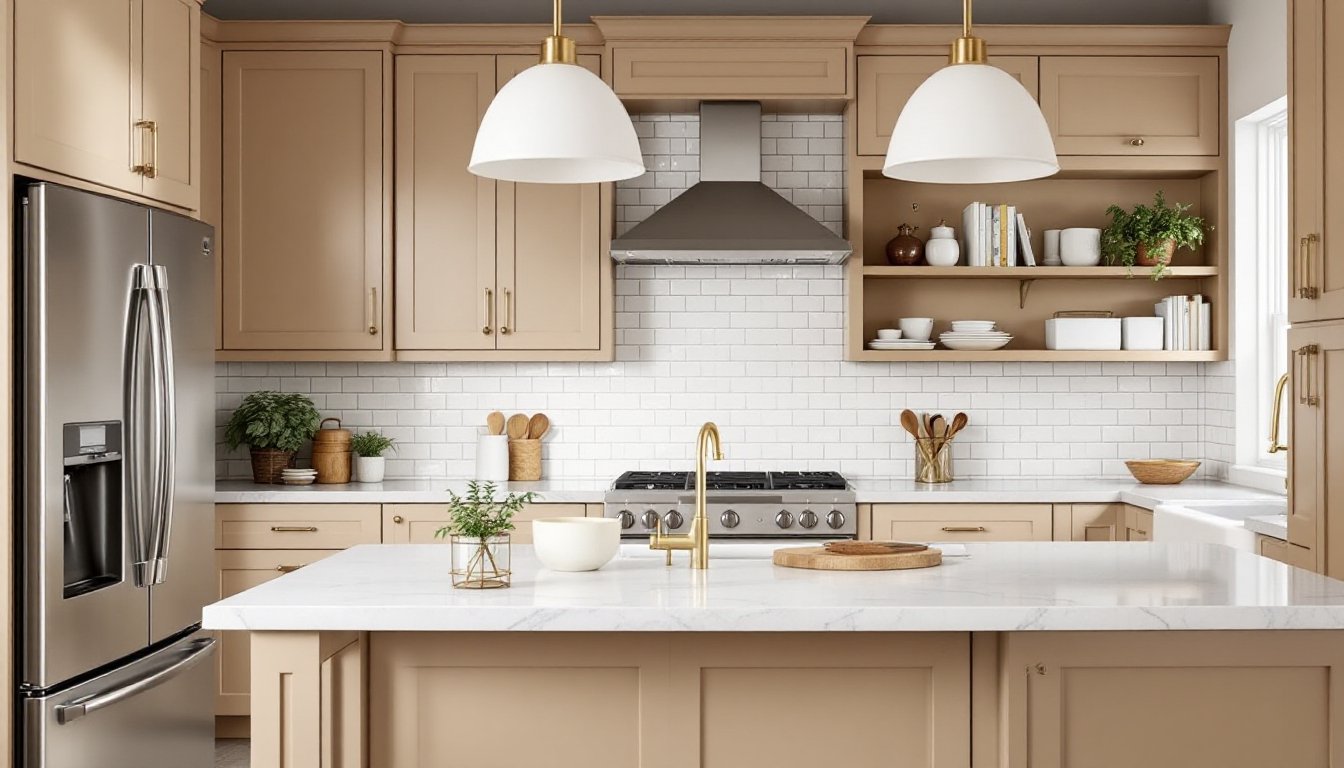
Beige kitchen cabinets have made a comeback, and for good reason. They’re versatile, forgiving, and work with nearly any design direction, whether someone prefers modern minimalism, farmhouse charm, or traditional warmth. Unlike trendy cabinet colors that may feel dated in five years, accessible beige sits in that sweet spot between personality and timelessness. When paired thoughtfully with countertops, hardware, and lighting, beige cabinetry becomes a neutral foundation that lets other kitchen elements shine. For homeowners planning a kitchen refresh or full renovation, understanding how to select, design, and maintain beige cabinets ensures the investment pays off for decades.
Table of Contents
ToggleKey Takeaways
- Accessible beige kitchen cabinets offer a timeless, versatile neutral foundation that complements modern, farmhouse, and traditional designs without appearing trendy or dated.
- Beige cabinetry is forgiving with dust and fingerprints, requires less frequent deep cleaning than white or dark cabinets, and reflects light naturally to brighten kitchens without harsh glare.
- Popular finishes include warm tones like Sherwin-Williams Accessible Beige for inviting spaces and greige for contemporary kitchens, both adaptable across different paint and stain options.
- Pair beige cabinets with quartz or granite countertops, subway tile or patterned backsplashes, and brass, matte black, or chrome hardware to define your kitchen’s overall aesthetic.
- Maintain beige cabinets with weekly mild soap cleaning, proper ventilation near the stove, and occasional touch-ups; natural wood versions may need refinishing after 15–20 years of use.
- Beige cabinet longevity and forgiving appearance make them a smart investment that stays visually polished for decades without requiring constant repainting or refinishing.
Why Beige Cabinets Are Perfect for Modern Kitchens
Beige cabinets offer practical advantages that go beyond aesthetics. They’re forgiving, minor dust, fingerprints, and kitchen splashes blend in rather than stand out the way white or dark cabinets do. This means less frequent cleaning obsession and a kitchen that still looks polished between deep cleans.
From a design standpoint, beige acts as a true neutral, which is crucial in modern kitchens that often feature bold accents or mixed materials. Stainless steel appliances, natural stone countertops, and colorful tile backsplashes all read beautifully against warm beige cabinetry without visual conflict. The color also reflects natural and artificial light well, making kitchens feel brighter without the harsh glare that pure white cabinets can create.
Beige also adapts across different paint finishes and wood stains, so homeowners aren’t locked into one interpretation. A matte or satin beige primer with a natural wood veneer reads differently than lacquered beige painted cabinetry, yet both feel cohesive and contemporary. This flexibility makes beige accessible to different budgets and renovation scopes, whether someone is refinishing existing cabinets or installing new ones.
Popular Beige Cabinet Finishes and Styles
Warm Neutrals and Natural Tones
Warm beige finishes lean toward subtle undertones of tan, taupe, or soft gold, creating a kitchen that feels inviting rather than sterile. These work especially well in spaces with warm-toned wood floors or cabinetry in adjacent rooms. Natural wood veneer over plywood or MDF (medium-density fiberboard) in ash, oak, or maple stains provides authentic grain character while staying in the beige-to-tan range. Many manufacturers offer pre-finished veneer options that skip the need for on-site staining, which reduces VOC (volatile organic compound) exposure and construction mess.
For painted cabinets, shades like Sherwin-Williams Accessible Beige or Benjamin Moore’s HC-12 (Lenox Tan) deliver warm, lived-in appeal. These softer beiges pair beautifully with brass or bronze hardware and warm white walls. The cabinet doors themselves can be flat-front, recessed-panel (a traditional look with a routed or raised border), or shaker-style, all of which suit warm beige tones.
Soft Greige and Contemporary Options
Greige (a gray-beige hybrid) represents the contemporary evolution of beige cabinetry. It’s cooler than true beige, reading almost taupe or warm gray in certain lighting. Greige cabinets excel in modern kitchens with chrome or stainless hardware, concrete counters, or minimalist design schemes. The color is subtle enough to disappear visually while providing just enough character to avoid a bland kitchen.
Painted greige finishes offer a matte or satin sheen, which hides imperfections better than gloss finishes but may require more frequent touch-ups in high-traffic areas near the stove. Lacquered or polyurethane-coated beige and greige options provide extra durability for busy households, though they cost more upfront and require professional application or careful DIY brushwork. Flat-front cabinet styles with stainless steel or matte black hardware complement greige finishes well, creating a clean, unfussy look.
How to Design and Pair Beige Cabinets in Your Kitchen
Selecting Countertops and Backsplash
Beige cabinets are a canvas, so the surrounding materials shape the kitchen’s personality. Quartz or granite countertops with gray, white, or warm brown veining anchor a beige kitchen without overwhelming it. Light gray quartz reads contemporary, while warm cream or gold-veined granite enhances the coziness factor. Laminate alternatives with similar visual texture cost less and still deliver the effect, though they won’t match natural stone’s durability (though they won’t chip or stain as easily either).
Backsplash choices dramatically shift the overall look. Subway tile in white or cream keeps the focus on cabinets and counters, ideal for farmhouse or transitional designs. Patterned tiles (geometric, Moroccan, or Spanish styles) add visual interest without clashing against warm beige cabinetry. Stainless steel backsplashes complement greige cabinets and create a modern edge. Natural stone or wood treatments can work too, though they require proper sealing and maintenance, especially around the stovetop.
Hardware selection matters more than people realize. Brass and bronze finishes warm up beige cabinetry and feel upscale. Matte black hardware creates contrast and modern appeal. Chrome or polished nickel feels clean and contemporary. Choose hardware with comfortable grip and appropriate for the cabinet door weight, heavier wood doors need sturdy, quality hinges. Budget $50–$150 per cabinet for mid-range hardware: premium options run higher. Kitchen islands or open shelving in the same beige finish (or a complementary tone) maintain visual cohesion across the space.
Practical Maintenance and Longevity
Beige cabinets require regular but straightforward care to maintain their appearance. Weekly cleaning with a soft cloth and mild dish soap keeps surfaces clean without scratching. Avoid abrasive scouring pads or harsh chemical cleaners, which can dull finishes or strip stain.
For painted beige cabinets, moisture and heat near the stove are enemies. Ensure proper ventilation with a range hood that exhausts outside (not just recirculating air). Wipe up spills immediately to prevent moisture from seeping into seams or door edges. Over time, painted cabinets may show wear at handles or around knobs, touching up with the original paint color and sheen hides these marks well. Keep your paint can and label (with finish details) for future touch-ups.
Stained or natural wood cabinets may need refinishing after 15–20 years, depending on use and care. Before refinishing, sand lightly, clean thoroughly, and apply new stain or topcoat. This is typically a professional job to ensure even coverage and color match, though DIYers with patience can attempt it. Wood also requires occasional oiling or conditioning (every 1–2 years) to maintain sheen and prevent drying out.
Hinges and soft-close mechanisms wear with repeated opening and closing. Budget for replacement parts or hardware upgrades as needed. Drawer slides should glide smoothly: if sticking, clean out debris and apply furniture-grade lubricant (not WD-40, which attracts dust).
Beige’s forgiving color means your kitchen will look intentional and polished for years without constant repainting or refinishing. This durability, both practical and visual, is why beige remains the smart choice for homeowners seeking a cabinet color that works today and won’t shout “2024” in a decade.