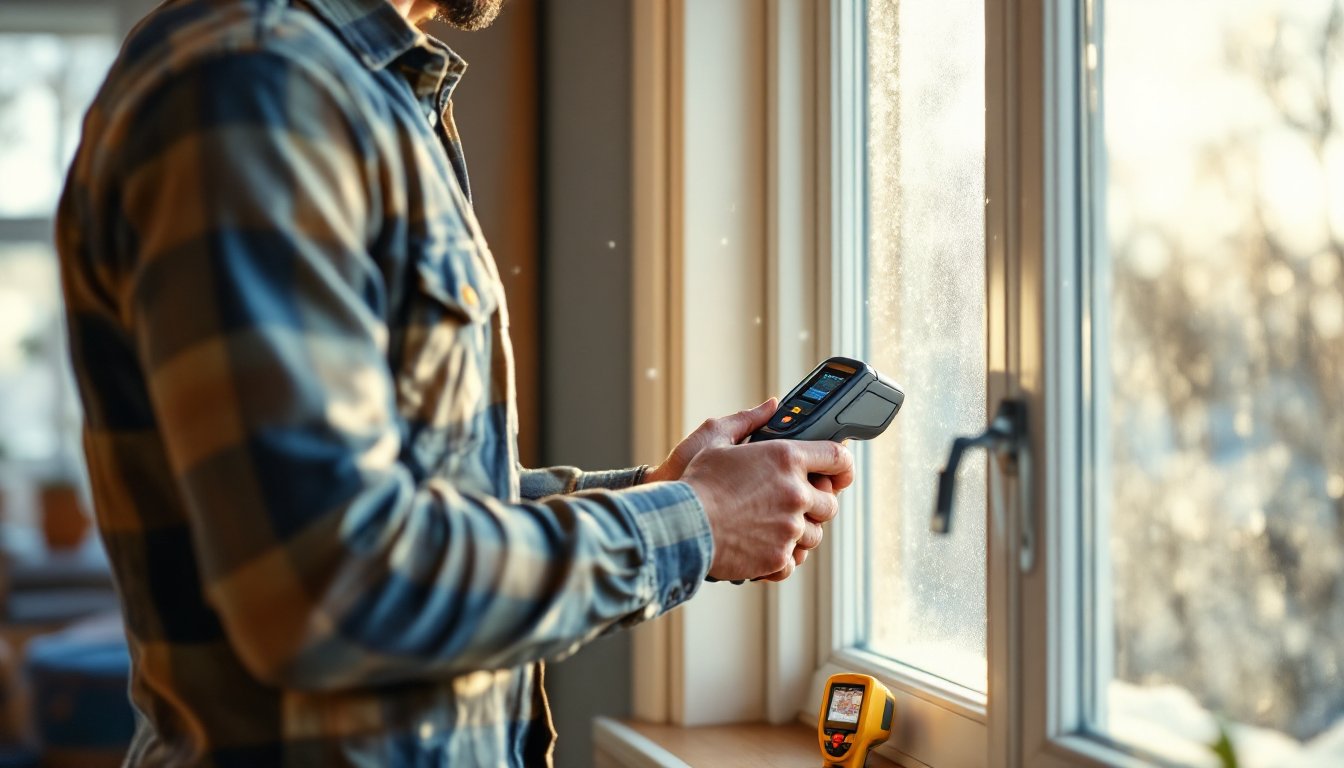
A homeowner’s biggest energy drain often isn’t the appliances or the HVAC system, it’s the air slipping through gaps and cracks they can’t see. An air leak detector identifies these sneaky culprits fast, helping seal them before they spike utility bills or create comfort problems. Whether someone’s dealing with drafty windows, leaking ductwork, or envelope cracks, the right air leak detector turns detective work into straightforward action. In 2026, energy costs keep climbing, making this tool less of a luxury and more of a practical investment. Here’s what homeowners need to know to find leaks and plug the money drain.
Table of Contents
ToggleKey Takeaways
- An air leak detector pinpoints invisible energy drains in your home, helping you seal gaps that cause heating and cooling costs to spike by up to 30% of conditioned air loss.
- Ultrasonic detectors are affordable ($20–$100) and user-friendly for finding leaks, while thermal imaging cameras provide professional-grade results for comprehensive whole-home audits.
- Sealing detected air leaks can reduce heating and cooling costs by 10–20% annually, often recouping the detector’s cost in a single season while improving comfort and indoor air quality.
- An air leak detector also protects your home’s structural integrity by preventing moisture infiltration that leads to mold, rot, and costly repairs.
- Match your air leak detector choice to your needs: choose ultrasonic for quick, targeted leak hunts, or invest in thermal imaging for complete energy retrofits requiring professional insights.
What Is An Air Leak Detector And Why You Need One
An air leak detector is a handheld device that pinpoints places where conditioned air escapes from a house or where outside air infiltrates indoors. Unlike walking around feeling for drafts, these tools use technology to reveal leaks that are invisible to the naked eye, the ones hiding behind walls, in attics, or in mechanical spaces.
The math is straightforward: a single crack or gap might seem minor, but dozens of them add up. A home with moderate air leakage can lose 15–30% of its conditioned air, meaning the HVAC system runs harder and longer than it should. That translates to higher heating and cooling costs year-round, plus uneven temperatures where some rooms feel cold while others stay stuffy.
Beyond the wallet, uncontrolled air leaks allow moisture infiltration, which invites mold, rot, and structural problems. They also let in dust, allergens, and outdoor noise. Catching leaks early with an air leak detector lets homeowners prioritize repairs, seal the biggest culprits first, and see real energy savings, often recouping the tool’s cost in a single heating or cooling season.
Types Of Air Leak Detectors And How They Work
Two main technologies dominate the market: ultrasonic detectors and thermal imaging cameras. Each has strengths depending on the job and budget.
Ultrasonic Detectors
Ultrasonic detectors work by listening to high-frequency sounds produced when air moves through gaps. Escaping air creates friction and turbulence, which generates ultrasonic noise inaudible to human ears. The detector picks up this sound and converts it to a visual or audible alert, typically a chirp or LED indicator.
Strengths: Ultrasonic models are compact, affordable (often $20–$100), and easy to use. They work indoors or out and don’t require temperature differences to function. A technician can quickly sweep a space and spot multiple leak locations in minutes. They’re especially good for finding leaks near electrical outlets, baseboards, and ductwork connections.
Limitations: They detect airflow but don’t show which direction the leak travels. They also struggle in noisy environments and can produce false positives if misinterpreted. Dense materials or heavily insulated cavities may block ultrasonic detection.
Key Benefits For Your Home And Wallet
Energy savings stand front and center. By sealing detected air leaks, homeowners often cut heating and cooling costs by 10–20%. In regions with harsh winters or hot summers, savings can exceed $500 per year, money that goes straight back into the wallet instead of heating empty spaces.
Comfort improves dramatically once leaks are sealed. No more hot and cold spots, mysterious drafts, or rooms that refuse to reach setpoint. Balancing indoor temperature becomes easier because conditioned air stays inside where it belongs.
Health and indoor air quality climb too. Sealed homes let occupants control ventilation actively rather than passively hemorrhaging conditioned air. That means less dust, pollen, and outdoor pollution sneaking through cracks, a real benefit for allergy sufferers and families with asthma.
Structural integrity benefits from leak detection work. Moisture entering through air gaps can saturate framing, encourage rot in wood members, and create the damp conditions mold needs. Catching leaks early prevents expensive repairs down the road.
Resale value often improves when buyers know the home has been professionally audited and sealed. Energy efficiency ratings and disclosed weatherization work can justify higher prices, especially in markets where green credentials matter.
Choosing The Right Air Leak Detector For Your Needs
Start with honesty about scope. Is the goal finding a few drafts around windows, or conducting a whole-home energy audit? One-off leak hunting calls for an ultrasonic detector. Serious energy retrofit planning deserves thermal imaging.
Budget matters. Ultrasonic detectors cost little and pay for themselves in one or two sealed leaks. Thermal cameras require bigger upfront investment but deliver professional-grade results. Renting a thermal camera for a day ($30–$50) beats buying one if the job is one-time.
Consider your environment. Ultrasonic detectors work anywhere, anytime. Thermal imaging demands temperature swaps, ideally at least 15°F difference between indoors and outdoors, so plan winter or summer testing, not spring or fall.
Ease of use matters if you’re solo. Ultrasonic detectors are intuitive: anyone can pick one up and find results in minutes. Thermal cameras require practice interpreting images. If hiring a pro for the thermal scan, their expertise translates data into actionable sealing priorities.
Durability and warranty matter for tools that sit in a drawer between uses. Look for rubberized housing, replaceable batteries, and warranties covering accidental drops, common in active DIY households. Brands with good reputations for customer support make troubleshooting easier if results seem off.
Conclusion
Air leak detectors turn invisible energy waste into visible, fixable problems. Whether choosing an affordable ultrasonic model or investing in thermal imaging, the tool pays for itself quickly through lower utility bills and greater comfort. The key is matching the detector type to the job scope, testing under the right conditions, and following up by sealing what’s found. In 2026, when energy costs keep climbing and homes face increasing pressure to perform, plugging air leaks is one of the smartest, fastest DIY wins available.