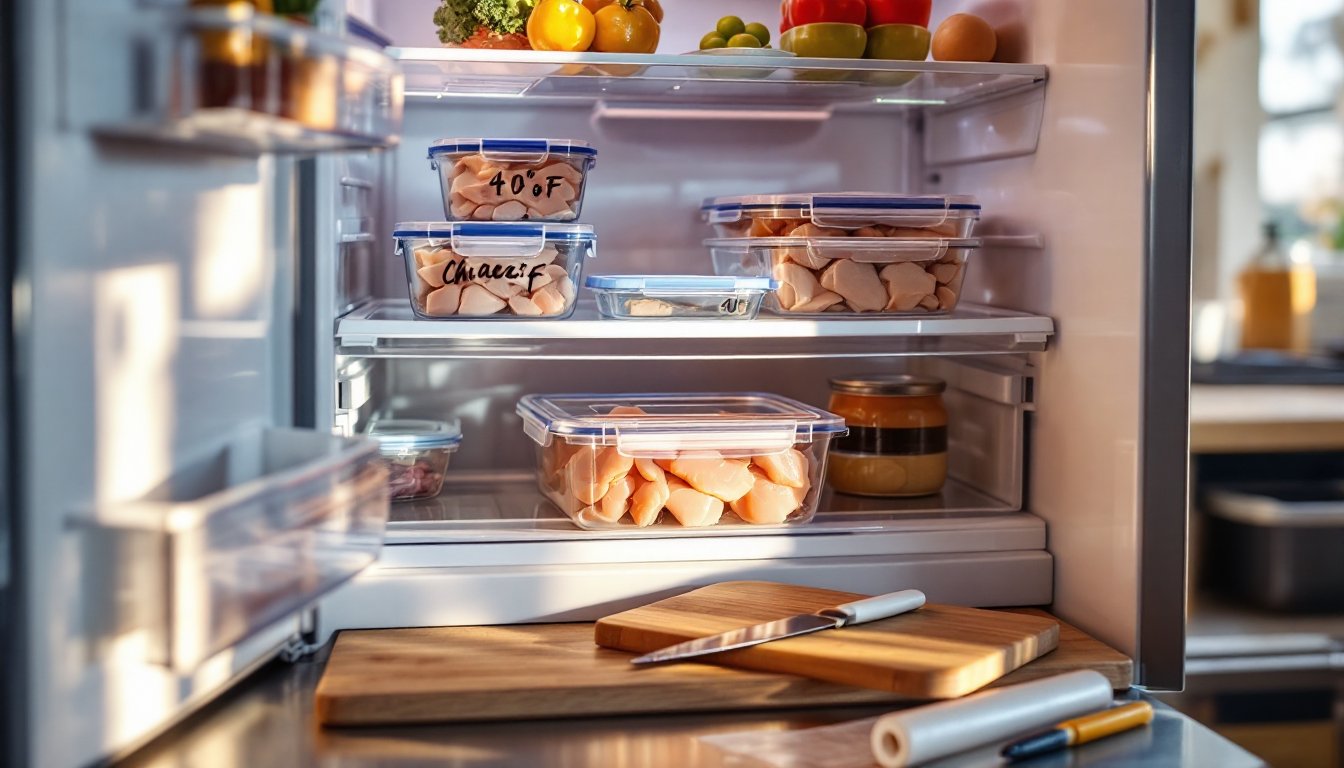
Whether someone’s prepping for weeknight dinners or batch-cooking for the week, knowing how long chicken lasts in the refrigerator is essential for both food safety and meal planning. Raw chicken stays good for one to two days in the fridge, while cooked chicken typically stretches to three to four days, but these timelines depend heavily on proper storage and temperature control. The USDA has clear guidelines on this, and sticking to them prevents foodborne illness and reduces waste. This guide covers everything from storage techniques to spotting spoilage, so anyone can confidently stock their fridge and serve safe, delicious chicken meals.
Table of Contents
ToggleKey Takeaways
- Raw chicken stays good in the refrigerator for only one to two days at 40°F or below, making proper storage and timely cooking essential for food safety.
- Cooked chicken lasts three to four days when stored properly in airtight containers on the refrigerator’s back shelves, significantly longer than raw poultry.
- Always store raw chicken on the bottom shelf to prevent cross-contamination, check for sour smells or gray discoloration before cooking, and discard any suspicious chicken immediately.
- Freezing is the best option for extending chicken shelf life—raw chicken freezes for three to four months while cooked chicken lasts two to three months at 0°F.
- Maintain your refrigerator temperature at 40°F or below consistently using a thermometer, and avoid storing chicken on the door where temperature fluctuations occur.
Raw Chicken Storage Guidelines
Raw chicken is perishable and requires careful handling. According to USDA guidelines, raw chicken, whether whole, breasts, thighs, or ground, is safe in the refrigerator for one to two days maximum. The sooner it’s cooked or frozen, the better. Temperature matters significantly: the fridge must stay at 40°F or below. Many home refrigerators fluctuate slightly, so a simple fridge thermometer helps confirm the actual temperature.
The key question many home cooks ask: how long can chicken stay in refrigerator after purchase? Most supermarket chicken is already a few days old before reaching the shelf. Check the “sell by” date on the package, but understand that this date is a suggestion for retailers, not an absolute cutoff. If purchasing on the sell-by date, plan to cook it that same evening or the next morning. If it’s already past the sell-by date when purchased, cook or freeze it immediately.
Raw chicken in its original packaging can drip and contaminate other foods. Place it on the bottom shelf of the fridge, away from ready-to-eat items like vegetables or cheese, to prevent cross-contamination. If the package is leaking, transfer the chicken to a sealed container or wrapped plate.
Cooked Chicken Shelf Life
Cooked chicken lasts significantly longer than raw: three to four days when stored properly in the refrigerator. This applies to roasted, grilled, boiled, or baked chicken. The USDA standard assumes storage at 40°F or below. Cooked chicken that sits at room temperature for more than two hours (or one hour if the ambient temperature is above 90°F) should be discarded.
Cooking kills most bacteria, which is why cooked poultry is safer than raw for longer-term fridge storage. But, bacteria can still grow during storage, so timing matters. Cool hot chicken to room temperature before refrigerating, placing piping-hot chicken directly in the fridge raises the fridge’s internal temperature and slows cooling for other foods. Transfer cooked chicken to an airtight container or wrap it tightly in plastic wrap or foil.
Leftover chicken is versatile for meal prep: shred it for tacos, chop it for salads, or slice it for sandwiches. Many people freeze cooked chicken in portions, which extends shelf life to three to four months. Label containers with the date so it’s easy to track what’s been in the freezer.
Signs Your Chicken Has Gone Bad
Spotting spoiled chicken early prevents foodborne illness. The most obvious sign is smell: fresh raw chicken has little odor, while spoiled chicken smells sour, ammonia-like, or unpleasant. If the smell is off, don’t cook it, discard it immediately.
Color changes are another red flag. Raw chicken should be pale pink or white with no gray undertones. If skin or flesh has turned gray, brown, or greenish, it’s spoiled. Cooked chicken should look uniform in color: any dark spots or discoloration suggest bacterial growth. Texture matters too: slimy or sticky surfaces indicate spoilage. Raw chicken should feel firm: if it’s mushy or the meat separates from the bone easily when uncooked, discard it.
For ground chicken, spoilage is trickier to detect visually since the meat is already broken down. Trust your nose first. Gray or brown color throughout ground chicken (rather than just on the surface) suggests it’s past its prime. When in doubt, throw it out, the cost of replacement is far less than the risk of food poisoning.
Storage Best Practices for Maximum Freshness
Proper Packaging and Container Choices
How chicken is packaged directly affects how long it stays good in the refrigerator. The original foam tray and plastic wrap from the grocery store are temporary solutions, not long-term storage. For raw chicken, transfer it to a sealed container, airtight ziplock bag, or wrap it tightly in plastic wrap or foil. Better yet, use vacuum-sealed bags if available, removing air significantly slows bacterial growth.
For cooked chicken, airtight containers are ideal. Glass containers with locking lids work well and are reusable. Plastic storage containers are affordable and effective: just ensure they seal tightly. Avoid leaving cooked chicken loosely covered on a plate, it dries out and becomes vulnerable to bacteria.
Marking containers with the date stored is a simple habit that prevents guesswork. A permanent marker and tape or a label maker takes seconds and saves time later.
Ideal Refrigerator Temperature and Placement
Temperature control is non-negotiable. The refrigerator must maintain 40°F or below consistently. Use an inexpensive fridge thermometer to verify: many older units or those with broken seals run warmer than intended. Check the thermometer after a few hours to ensure it’s stabilized.
Placement matters as much as temperature. Store raw chicken on the bottom shelf to prevent drips onto vegetables, breads, or cooked foods below. The back of the fridge is colder than the door, so raw chicken belongs in a back corner. The door is the warmest part of the fridge due to temperature fluctuations from opening and closing, never store raw or cooked chicken there.
Keep raw and cooked chicken separated by shelf or container to eliminate cross-contamination risk. Wash hands, cutting boards, and utensils thoroughly after handling raw poultry.
Freezing Chicken for Extended Storage
For anyone who’s asked “how long is raw chicken good in the refrigerator” and realized they won’t use it in time, freezing is the answer. Raw chicken freezes well and lasts three to four months at 0°F. Cooked chicken freezes for two to three months. Freezing halts bacterial growth, making it an excellent strategy for meal prep and bulk purchases.
Proper freezing prevents freezer burn. Wrap raw chicken tightly in plastic wrap, then place it in a freezer bag, pressing out as much air as possible. Vacuum sealing is even better. For cooked chicken, cool it completely, transfer to an airtight container or freezer bag, and label with the date and contents.
Thaw frozen chicken safely in the refrigerator (not on the counter) at least 24 hours before cooking. A pound of chicken takes roughly 24 hours to thaw: thicker pieces take longer. Never refreeze thawed raw chicken, cook it first, then freeze the cooked product if needed.
For quick weeknight meals, freeze cooked chicken in portion-sized bags so individuals can grab what they need without thawing an entire batch. This approach supports meal planning and reduces both waste and last-minute food decisions.