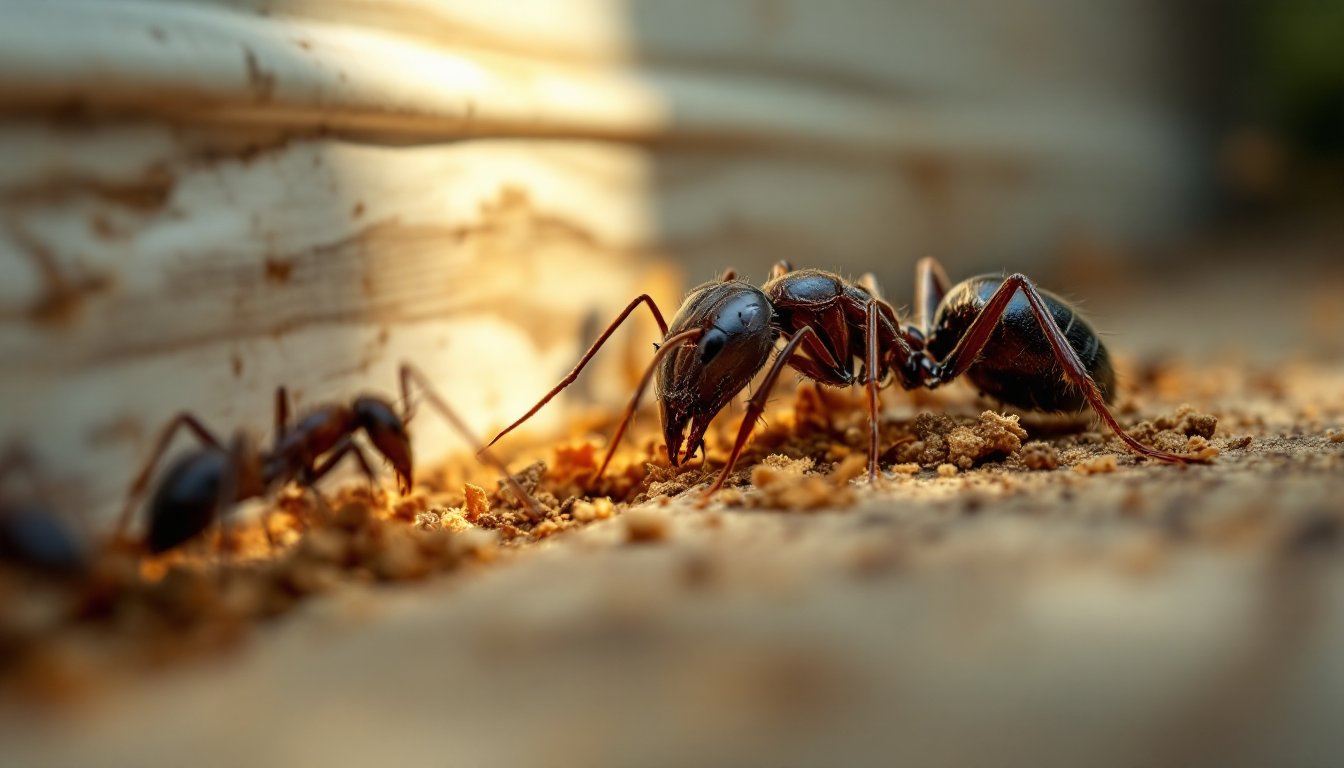
Carpenter ants don’t eat wood like termites, they excavate it to build nests, leaving behind galleries and weakened structural joints that can compromise a home’s integrity over time. Unlike termites, which work silently for years, carpenter ants are often spotted, making early detection possible. A homeowner who catches an infestation early can avoid thousands in repair costs and structural damage. This guide breaks down the best carpenter ant killer products and methods available, from indoor carpenter ant killer options to professional-grade solutions, helping DIYers identify the right approach for their situation.
Table of Contents
ToggleKey Takeaways
- Carpenter ants excavate wood to build nests rather than eat it, and early detection through spotting ant trails and coarse sawdust-like frass can save thousands in structural repair costs.
- Liquid baits and gel formulations like Terro Liquid Ant Baits and Advion Gel Bait are the most effective best carpenter ant killer solutions for indoor use, working by poisoning the entire colony within 7 to 10 days.
- Dust treatments such as Drione Dust are highly effective for treating hard-to-reach wall cavities and attics by damaging the ant’s waxy coating and causing dehydration within hours.
- Call a professional exterminator if you discover structural damage in load-bearing members, the infestation spans multiple rooms, or DIY treatments fail after two weeks.
- Prevent future infestations by eliminating moisture sources, repairing wood damage, maintaining at least 12 inches of mulch clearance from the foundation, and sealing cracks around windows, doors, and utility penetrations.
How To Identify Carpenter Ant Infestations
The first step in tackling carpenter ants is confirming you actually have them. Carpenter ants are large, typically ¼ to ½ inch long, and unlike termites, they’re often visible around the home, especially at dusk or early morning when they’re most active. Look for ant trails along baseboards, walls, or outdoor entry points, and listen for faint rustling sounds inside walls during quiet hours.
The telltale sign is coarse sawdust-like frass (insect droppings) near entry holes or in attics, crawl spaces, and wall cavities. Unlike termite frass, carpenter ant droppings are clean and angular, often with bits of insulation or wood fiber mixed in. Check these common nesting zones: around window and door frames, sill plates (the wood where the foundation meets the wall), porch support posts, roof eaves, and any area with prior water damage or moisture.
If you suspect an infestation, trace the ant trails to locate the nest, this reconnaissance work is crucial before choosing a killer treatment. A single colony can contain 10,000 to 100,000 workers, and satellite colonies may exist if the infestation is established. Size and activity level determine whether you’re dealing with a minor problem or a situation that warrants professional help.
Top Carpenter Ant Killer Products and Methods
Once you’ve identified an infestation, you have several options ranging from DIY treatments to professional interventions. The goal is to eliminate the queen and colony, not just the foragers visible on your countertop. Most effective carpenter ant killer solutions work through slow-acting toxins that workers carry back to the nest, poisoning the colony from within.
Liquid Baits and Gel Formulations
Liquid baits and ant gels are among the most effective indoor carpenter ant killer options because ants are attracted to the sweet formulations and transport the toxin-laden bait back to the nest. Products like Terro Liquid Ant Baits use sodium tetraborate decahydrate (borax) as the active ingredient, which disrupts the ant’s digestive system and nervous system over several days, enough time for workers to reach the queen.
Gel baits such as Advion Gel Bait are odorless and less noticeable than liquids, making them ideal for kitchens or dining areas where you want to avoid visual clutter. Apply these in small dots near ant trails, entry points, or suspected nest areas. For best results, remove competing food sources and place baits in multiple locations along foraging routes. Baits typically start showing results within 24 to 48 hours as the colony weakens, though complete elimination may take 7 to 10 days.
Warning: Keep all ant baits away from children and pets. Store in original containers and follow label instructions precisely. If accidental ingestion occurs, contact Poison Control immediately.
Dust and Powder Treatments
Dust treatments like Drione Dust (a combination of pyrethrins and silica gel) are highly effective for wall cavities, attics, and hard-to-reach nesting areas where spraying isn’t practical. Silica dust works by damaging the ant’s waxy outer coating, causing dehydration and death within hours. This method is especially useful for treating wall voids or nest galleries you’ve located but can’t access directly.
Apply dust treatments using a hand-crank or electric duster (a basic plastic squeeze bottle works for small applications, but larger jobs benefit from a proper duster for even distribution). Wear a N95 or P100 mask and eye protection when applying any dust product, as inhaling fine powder poses respiratory risks. Dust works fast but has limited reach, it won’t travel as far as baits and requires you to apply it directly into or very near the nest.
For indoor carpenter ant killer dust applications, drill small holes (¼ inch) into wall voids where you suspect nesting, inject the dust, and seal holes with caulk afterward. This method works well for wall cavities but demands precision and patience. Dust remains effective as long as it stays dry, so it’s less suitable for damp crawl spaces or basements.
When To Call a Professional Exterminator
Not every carpenter ant problem is a DIY situation. If you’ve discovered tunneling damage in structural members (joists, beams, or load-bearing walls), a professional should evaluate the extent before treatment begins. Structural damage assessment requires knowledge of building codes and load-bearing requirements, mistakes here can compromise home safety.
Call an exterminator if the infestation is large, spread across multiple rooms, or involves attics and crawl spaces you can’t safely access. Professionals have thermal imaging cameras and acoustic listening devices to locate hidden nests without invasive drilling. They also have access to stronger, faster-acting products and can treat the exterior perimeter to prevent reinfestations.
If DIY baits or dust treatments haven’t worked after two weeks, professional intervention is warranted. A licensed pest control operator can also identify moisture problems or structural vulnerabilities that attracted the ants in the first place, information that helps you prevent future colonies.
Preventing Future Carpenter Ant Damage
Killing the current colony is half the battle: the other half is making your home unattractive to future invaders. Carpenter ants are drawn to moisture and soft, damaged wood. Address water leaks immediately, repair roof shingles, fix gutter downspouts to drain at least 4 feet away from the foundation, and seal cracks around windows and door frames with paintable caulk or expanding foam.
Inspect and repair wood trim, fascia boards, and deck ledgers for soft spots caused by rot or prior insect damage. These damaged areas are carpenter ant magnets because the wood is easier to excavate. Replace severely compromised wood rather than attempting to save it: the cost of replacement is negligible compared to structural repairs from an unchecked colony.
Eliminate soil-to-wood contact around the foundation. Carpenter ants often enter through mulch piles, firewood stacks, or shrub branches touching the siding. Keep mulch 12 inches away from the house foundation, trim tree branches so they don’t overhang the roof, and store firewood on a metal or concrete platform at least 20 feet from the house.
Caulk gaps around utility penetrations (pipes, cables) where ants can enter walls. Seal small cracks around the foundation with concrete caulk or hydraulic cement. These preventive steps cost little but save thousands in extermination and repairs down the road.
Conclusion
Carpenter ants are manageable when caught early. Liquid baits and gel formulations work well for most homeowners, while dust treatments excel in wall voids and hard-to-reach areas. Combining DIY treatments with preventive moisture control and wood maintenance stops reinfestations. When infestations are large, structural damage is evident, or DIY methods stall, a professional exterminator brings expertise and stronger tools. Act quickly, the longer you wait, the more damage and cost you’ll face.