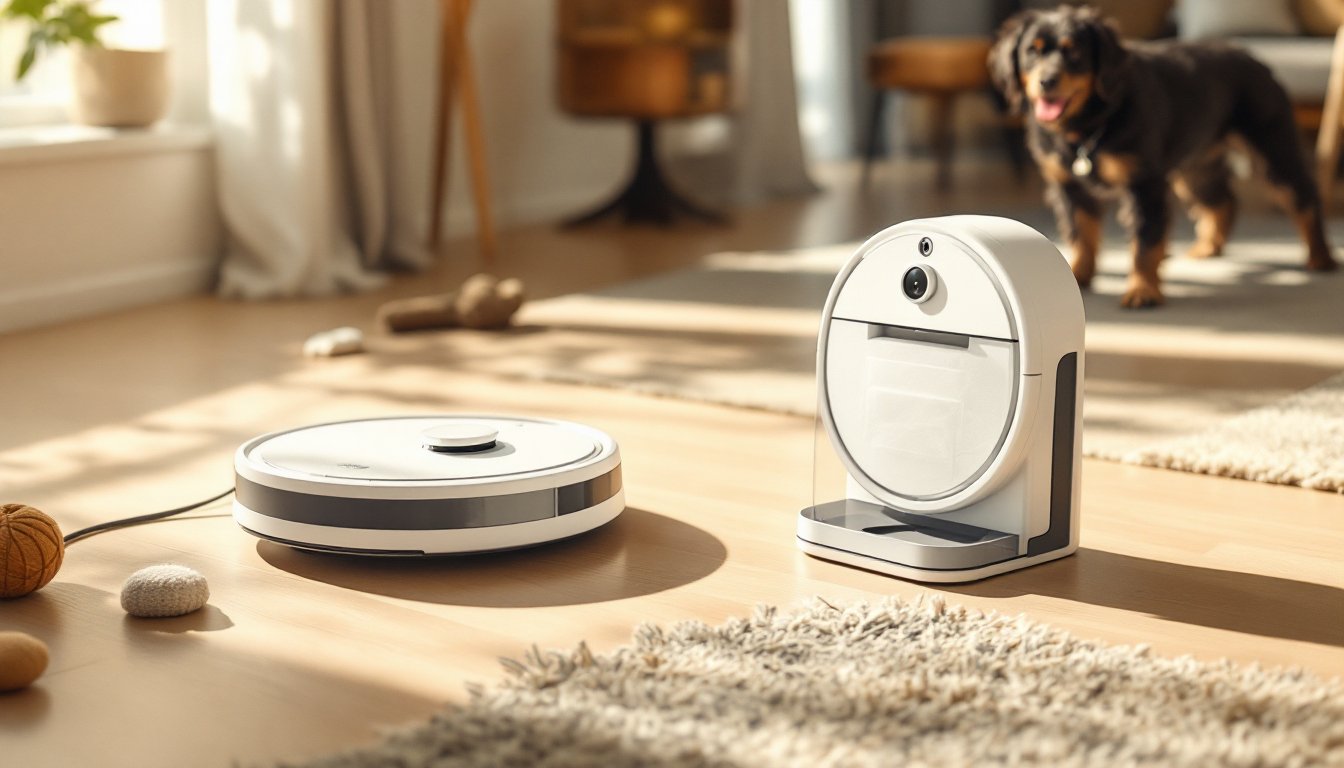
The Roomba J7 arrives as one of the most capable robot vacuums on the market today, and it’s not just another incremental upgrade. This model combines intelligent obstacle avoidance, advanced mapping technology, and a learning algorithm that adapts to your home’s layout and your habits over time. For homeowners tired of wrestling with traditional vacuums or frustrated by robot vacuums that get stuck on pet messes, the J7 offers a genuinely different approach. It doesn’t just clean, it understands your space. Whether you’re maintaining hardwood floors, managing pet hair, or tackling a multi-room home, the Roomba J7 brings practical smarts that actually reduce the headaches of automated cleaning.
Table of Contents
ToggleKey Takeaways
- The Roomba J7 uses advanced PetDontWorry Technology with computer vision to detect and avoid pet waste, solving a major pain point for multi-pet households.
- Visual mapping (vSLAM) and adaptive learning allow the Roomba J7 to create detailed home maps, recognize room types, and customize cleaning schedules for each floor automatically.
- With 120-minute battery life, auto-empty dock, and quiet operation (65 decibels), the J7 reduces manual vacuuming frequency from twice-weekly to weekly for most homes.
- At $800–$900, the Roomba J7 makes practical sense for pet owners and multi-floor homes, but works best as a maintenance supplement rather than a complete replacement for traditional vacuums.
- Intelligent obstacle avoidance (toys, cords, debris) means less pre-cleaning prep and fewer rescues compared to older robot vacuum models.
What Makes the Roomba J7 Stand Out
The Roomba J7 isn’t revolutionary in the way that first-generation robot vacuums were, but it solves real problems that earlier models left unsolved. Its standout feature is PetDontWorry Technology, which uses advanced computer vision to detect and avoid pet waste before the vacuum gets close to it. If you’ve ever owned a robot vacuum in a home with dogs or cats, you know why this matters, one missed pile can spread across your entire floor and ruin your day.
Beyond the pet-specific advantage, the J7 learns your home through repeated cleaning cycles. Its mapping system doesn’t just create a static floor plan: it adapts to changes, recognizes rooms by type (kitchen, bedroom, living room), and builds preferences based on where you ask it to focus most. You can set it to vacuum the kitchen daily but only run the bedroom twice a week. Over time, it gets smarter about when to dock, how to approach problem areas, and which zones need the most attention. This learning aspect sets it apart from competitors that rely on simpler trigger-based routines.
Key Features and Smart Technology
Advanced Navigation and Mapping
The J7 uses vSLAM (Visual Simultaneous Localization and Mapping) technology to build and refine a detailed map of your home. Unlike older infrared-based systems, vSLAM uses a front-mounted camera to understand room layout, identify obstacles, and plan efficient cleaning paths. The result is fewer missed spots and more predictable behavior, the vacuum doesn’t randomly bounce around hoping to cover your floor.
Once the map is established, you can use the iRobot app to customize no-go zones, set room-specific cleaning schedules, and even run spot cleans on demand. The app shows real-time cleaning progress and logs which areas were cleaned and when. For homeowners with multiple levels, you can store separate maps for each floor, and the J7 switches between them automatically when it detects a new environment.
Intelligent Pet Obstacle Avoidance
The ObstacleAvoid feature works in tandem with the pet-detection system. It’s not just watching for waste: it’s identifying toys, cords, socks, and other small objects that could jam the brushes or cause the robot to get stuck. This reduces the constant rescues that plague older robot vacuums. The camera also improves the J7’s ability to navigate cluttered homes without getting wedged under furniture or tangled in cables.
In practice, this means you don’t have to pre-clean your floor as obsessively before running the Roomba. A few stray dog toys won’t disable it. A pile of laundry in the hallway won’t send it into a fit. It’s not perfect, no robot vacuum is, but it handles real-world mess significantly better than its predecessors.
Performance and Cleaning Power
The J7 delivers 40-watt suction power, which falls in the middle range for robot vacuums. It’s not the strongest on the market, but it’s adequate for most homes with a mix of hard floors and low-pile carpet. For deep-pile carpet or homes with heavy pet hair, you might want to supplement with a traditional vacuum every few weeks, especially in high-traffic areas.
Battery life runs approximately 120 minutes on a full charge, enough to clean most standard homes in a single run. The dock both charges the unit and empties the dustbin automatically into a sealed bag inside the base station. This auto-empty feature is a genuine convenience that saves you from the disgusting task of emptying a full dust cup by hand. The sealed bag captures 99% of allergens and dust, which matters if anyone in your household has asthma or allergies.
The J7 includes a single main brush and side brush system. Unlike models with dual main brushes, the single brush reduces tangles with hair, though you’ll still need to clean it every few weeks depending on pet population. The design leans practical over premium specs, it’s built for maintenance ease, not bragging rights. The vacuum runs quietly compared to upright models (around 65 decibels), making it possible to run it during daytime hours without creating a distraction. On hard floors, it performs well enough that you might skip mopping for an extra week. On carpet, it lifts visible debris but won’t deep-clean the way a traditional upright will. Treat it as a maintenance tool that keeps your floors generally clean between deeper cleaning sessions.
Is the Roomba J7 Worth the Investment
Pricing for the J7 sits around $800–$900 depending on whether you buy the base model or the Plus version with the auto-empty dock. That’s a substantial upfront cost, and you should evaluate it honestly against your actual needs.
The J7 makes sense if you:
- Own pets and dread finding surprises after the robot has spread them across your home
- Live in a multi-floor home and want a vacuum that adapts to each layout
- Want to reduce the frequency of manual vacuuming (weekly instead of twice-weekly)
- Have a fairly open floor plan where a robot can navigate without constant obstacles
- Appreciate the convenience of a robotic system, even if it requires occasional oversight
It doesn’t make sense if you:
- Have very deep carpet or heavy shedding pets (consider a hybrid: robot for maintenance, upright for deep clean)
- Live in a cramped space filled with furniture and clutter
- Expect zero intervention, robot vacuums still require regular emptying, brush cleaning, and occasional rescues
- Can buy a quality upright vacuum for the same price and are satisfied doing it yourself
The honest take: The J7 is a mature product that solves specific frustrations better than its competitors. It’s not a set-it-and-forget-it solution, but it’s close enough to reduce your cleaning labor meaningfully. The pet obstacle avoidance and learning algorithm justify the price premium over cheaper alternatives. If you’ve tried robot vacuums before and been disappointed by poor navigation or disaster-prone messes, the J7 addresses those pain points directly. Just don’t expect it to replace traditional vacuuming entirely, it’s a supplement that works best in homes that are reasonably clean to begin with.
Conclusion
The Roomba J7 represents the current sweet spot in robot vacuum technology: smart enough to adapt, capable enough to maintain clean floors, and engineered for real-world messiness rather than marketing specs. Its combination of visual navigation, pet obstacle avoidance, and automatic learning makes it the most practical choice for busy homeowners who want to spend less time pushing a vacuum. It won’t do everything a high-end upright can do, and it isn’t cheap, but it earns its place as a genuine productivity tool rather than a novelty gadget.