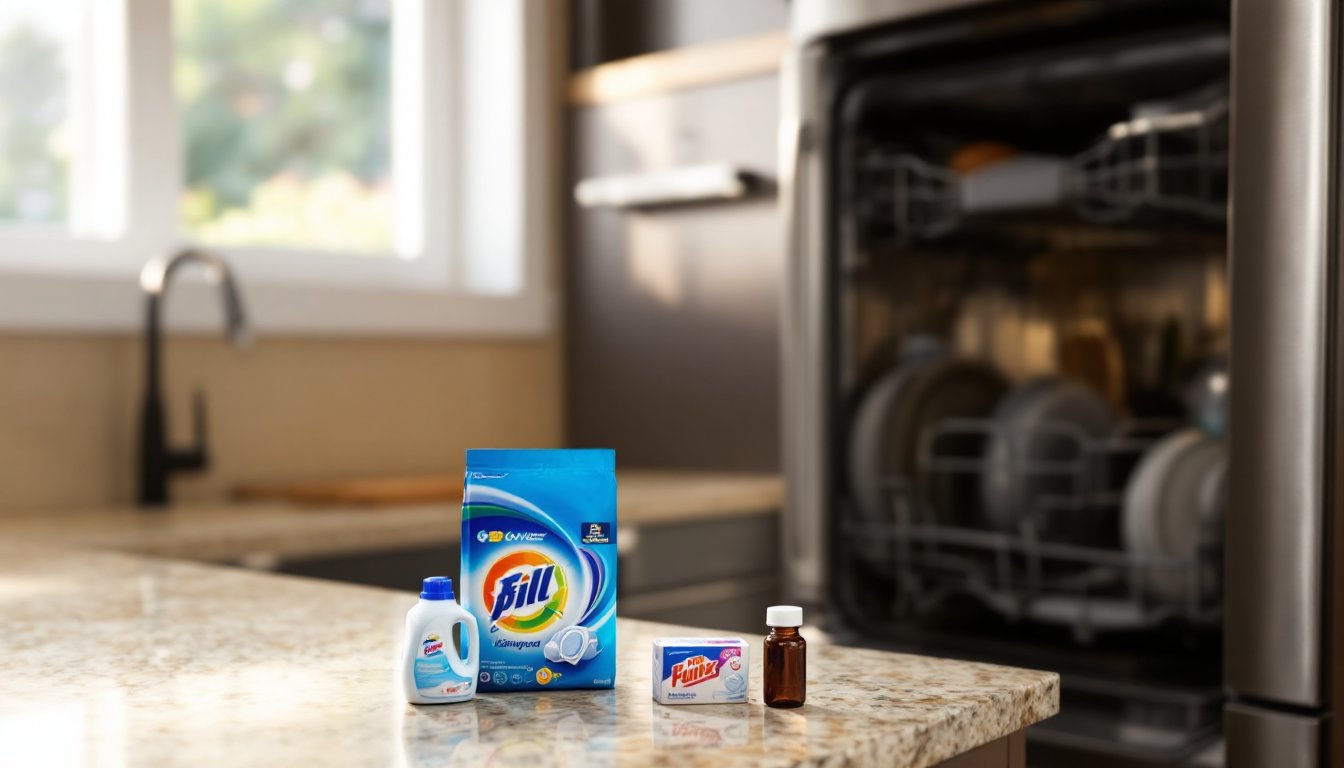
Dishwasher pods have become a kitchen staple for millions of households, offering convenience and what seems like a mess-free cleaning solution. But lingering questions remain: are dishwasher pods bad for your dishwasher? Are they safe to use around kids and pets? Do they pose health risks? The short answer is that dishwasher pods are generally safe when used correctly, but like any cleaning product, they come with trade-offs worth understanding. This guide cuts through marketing hype and addresses what homeowners actually need to know, from machine safety to environmental concerns to genuine health considerations. Whether you’re already using pods or considering the switch, understanding their real impact helps you make an informed choice for your household.
Table of Contents
ToggleKey Takeaways
- Dishwasher pods are generally safe when used correctly, though water temperature below 120°F and hard water can slow dissolution, requiring manual checks of your dishwasher’s manual.
- The primary health risk is ingestion by young children or pets; store dishwasher pods in sealed original packaging on a high shelf and contact poison control at 1-800-222-1222 if ingestion occurs.
- Dishwasher pods cost 15–25¢ per load compared to liquids (8–15¢) and powders (5–10¢), making them the most expensive option despite their convenience factor.
- Most dishwasher pods use polyvinyl alcohol (PVA) film that doesn’t reliably dissolve in cold-water cycles and can accumulate in wastewater systems, raising environmental concerns versus recyclable powder alternatives.
- For best dishwasher pod performance, load the dispenser correctly, avoid pre-rinsing dishes, and match pod strength to full loads while monitoring water quality and dispenser cleanliness regularly.
The Truth About Dishwasher Pod Safety
Dishwasher pods are formulated to dissolve in your machine’s wash cycle, and manufacturers have tested them extensively for compatibility with standard residential dishwashers. The main concern homeowners voice is whether pods can damage the machine itself, leaving residue, clogging spray arms, or interfering with internal components.
The reality is straightforward: pods break down completely during the cycle and rarely cause mechanical damage when used as directed. But, a few specific scenarios warrant caution. Older dishwashers with weaker water jets may not dissolve pods reliably, especially in the first 30 seconds of the cycle. Hard water minerals can also slow dissolution, causing the pod to sit in the dispenser longer than intended. If your dishwasher has a water temperature setting below 120°F, dissolving may be delayed, most pods need that baseline temperature range to activate properly.
The safest approach: check your dishwasher’s manual for any pod restrictions, and confirm your water heater temperature. If you have persistent dissolution issues, a liquid or powder detergent may perform better with your specific machine. Also, ensure the dishwasher’s detergent dispenser closes properly: pods can work fine on the floor of the machine in a pinch, though the dispenser is designed to release them at the optimal moment.
Environmental Impact of Dishwasher Pods
When evaluating whether dishwasher pods are bad for the environment, the analysis splits into two areas: the detergent itself and the packaging. Most pod formulations contain the same active cleaning agents as liquid or powder alternatives, surfactants, enzymes, and builder chemicals, so the detergent’s environmental footprint is comparable. All three formats eventually end up in wastewater, where municipal treatment plants break them down before discharge.
Where pods diverge is in concentrate and dosing efficiency. Because each pod is pre-measured, you’re less likely to overdose your dishwasher (which some households do with liquids), potentially reducing chemical runoff. But that advantage evaporates if the packaging waste outweighs the savings.
Packaging Waste and Plastic Concerns
Here’s the sticking point: most dishwasher pods are wrapped in polyvinyl alcohol (PVA) film, a synthetic polymer that’s marketed as water-soluble and biodegradable. In theory, the film dissolves during the wash cycle. In practice, not all of it does reliably, particularly in cold-water cycles. Wastewater treatment plants report that PVA doesn’t always break down completely and can accumulate in sludge or slip through to waterways, where its long-term ecological impact remains unclear.
Manufacturers are slowly shifting toward cardboard boxes and paper-based liners, but these alternatives are still less common and sometimes more expensive. If environmental concern is a priority, switching to bulk powder detergent in recyclable cardboard usually offers the lowest packaging impact. Some households also report good results with solid dishwasher tablets (compressed powder in a simplified wrapper), which occupy less space and use less packaging than pods.
How Dishwasher Pods Compare to Liquids and Powders
All three detergent formats, pods, liquids, and powders, get dishes clean when used correctly. Differences come down to convenience, cost, and performance nuances.
Pods offer pre-measured simplicity and require no measuring cup or guesswork. A single pod typically costs 15–25¢ per wash. Downsides: they’re the most expensive per-load option, and if your water is very soft, a full pod may leave residue.
Liquids cost 8–15¢ per load and let you adjust dosage based on load size or water hardness. They dissolve quickly in warm or cold water, making them reliable for older machines or low-temperature cycles. Liquid detergents don’t require a dispenser and work well in the pre-rinse phase if you pour them directly into the tub. The trade-off: they take up more shelf space, and overdosing leads to spotting or film.
Powders are the most economical (5–10¢ per load) and often contain more enzymes for better stain removal. They work in all water temperatures and dissolve predictably. Many powders are sold in recyclable cardboard rather than plastic, reducing packaging waste. Downsides: they require measuring, can clump if exposed to moisture, and their dust particles aren’t ideal for those with respiratory sensitivities.
For most households, liquids offer the best balance of performance, flexibility, and cost. Pods work well if convenience is the priority and your dishwasher is relatively new. Powders are the eco-conscious and budget-friendly choice if you don’t mind measuring.
Potential Health Risks for Households
Are dishwasher pods toxic and a genuine health concern? The short answer is no, when stored and used properly. But the longer answer requires some nuance, especially for households with young children or pets.
Ingestion risk is the primary concern public health officials monitor. Dishwasher pods are brightly colored and sometimes smell fruity, which can attract curious toddlers. If a child bites or swallows a pod, the concentrated detergent inside can cause mouth and throat irritation, nausea, vomiting, or respiratory distress. The CDC and poison control centers have tracked cases, and while fatal outcomes are rare, serious injuries do occur. That’s why child-resistant packaging is now standard.
Your defense: store pods in their original, sealed container on a high shelf away from children’s reach. Don’t transfer them to a food container, that’s how accidents happen. If a child ingests a pod, contact poison control immediately at 1-800-222-1222 (U.S.) rather than inducing vomiting.
Skin contact with pod contents is less severe but still worth avoiding. Concentrated detergent can irritate skin and eyes. Keep pods away from your face and hands, and wash hands after handling.
Chemical safety during normal use is not a concern. Once the pod dissolves and the dishwasher completes its cycle, residual chemical levels on clean dishes are negligible and well below any toxicity threshold. Rinsing doesn’t add meaningful protection because the detergent has already been rinsed away by the machine’s rinse cycle.
Pet safety is similar: don’t store pods where cats or dogs can access them. If a pet accidentally ingests a pod, contact your veterinarian or an animal poison control center.
Tips for Using Dishwasher Pods Safely
If you choose to use dishwasher pods, a few practical habits minimize any risk and maximize cleaning performance.
-
Store in the original packaging with the lid sealed. A dry, cool, out-of-reach location works best. Humidity can degrade the pod’s film, causing it to break down prematurely on your shelf rather than in your dishwasher.
-
Load the dispenser correctly. Most dishwashers have a dedicated detergent dispenser that closes shut, place the pod there so it releases at the optimal moment. Putting a pod loose on the floor of the machine works, but timing is less controlled.
-
Don’t pre-rinse your dishes before loading. Pod detergents are formulated to work on light food particles and grease. Pre-rinsing wastes water and can reduce the detergent’s effectiveness because it has less to work on.
-
Match pod strength to load size. Full-size pods are designed for full loads. If running a half-load, you have two choices: use a full pod anyway (more detergent than needed), or switch to liquid and dose down. Neither is ideal, but some machines now offer adjustable water levels that pair better with liquids or powders.
-
Monitor water temperature and hardness. If you notice pods aren’t dissolving completely or dishes have a white film, your water may be too soft or hard for that pod formula. Test with a different brand or switch to liquid or powder.
-
Keep the dispenser clean. Soap residue can build up inside, slowing pod release. Monthly: wipe the dispenser dry and check for any gunk. A quick rinse keeps it functioning smoothly.
Conclusion
Dishwasher pods aren’t inherently bad for your dishwasher, the environment, or your health, but they’re not a risk-free, one-size-fits-all solution either. They’re safe and effective when used as directed and stored responsibly, especially in households without young children. The real downsides are cost per wash and packaging waste. If environmental impact or budget is a concern, powders or liquids may serve you better. If convenience is your priority and your machine is modern, pods work fine. The best choice depends on your priorities: convenience, cost, environmental footprint, or specific machine compatibility. Whatever format you pick, using it properly, and storing it safely, keeps your dishes clean and your household secure.